

Surgical Sleeve Success: 7 Key Benefits of This Powerful Weight Loss Procedure
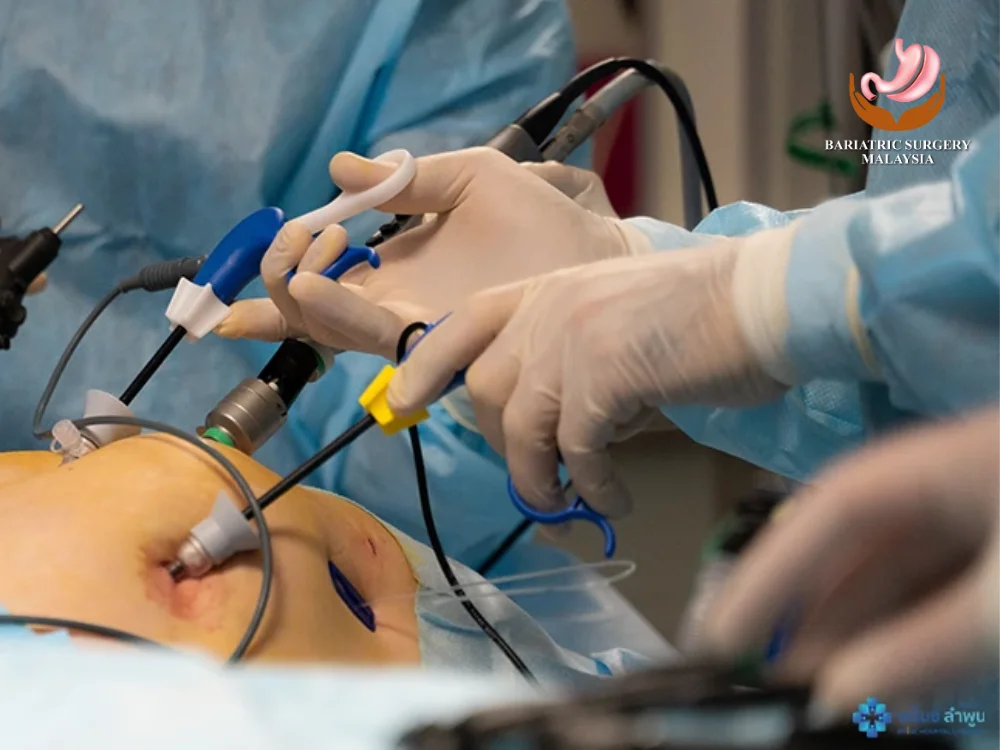
The surgical sleeve procedure, often referred to as gastric sleeve surgery or sleeve gastrectomy, has become one of the most effective weight loss solutions for individuals struggling with obesity. In this article, we’ll delve into the essential aspects of the surgical sleeve, outlining its benefits, procedure details, recovery, and everything you need to know before considering this life-changing surgery. What is a Surgical Sleeve? A surgical sleeve, medically known as sleeve gastrectomy, is a weight-loss surgery where a large portion of the stomach (around 70-80%) is removed, leaving a smaller, tube-like “sleeve” or pouch. The reduced stomach size significantly limits food intake, helping patients achieve long-term weight loss. Unlike gastric bypass surgery, the intestines are not altered, which makes it a less invasive option while still providing significant results. The procedure is often recommended for individuals with a body mass index (BMI) over 40 or those with obesity-related health conditions. 7 Key Benefits of Surgical Sleeve Surgery Effective Weight Loss One of the most compelling benefits of a surgical sleeve is its effectiveness in promoting rapid and sustainable weight loss. Most patients can expect to lose about 60-70% of their excess body weight within the first year. This weight loss contributes to improving overall health and reducing the risk of obesity-related diseases such as diabetes, hypertension, and heart disease. Appetite Suppression The surgical sleeve removes the portion of the stomach that produces ghrelin, a hormone responsible for stimulating hunger. By reducing ghrelin levels, patients experience decreased appetite and cravings, making it easier to maintain a healthy diet post-surgery. Improved Quality of Life Beyond the physical changes, many patients report a significant improvement in their quality of life after undergoing a surgical sleeve. Increased mobility, enhanced self-esteem, and reduced discomfort in daily activities are some of the common positive outcomes. This procedure can also provide mental health benefits, helping people regain confidence in their bodies. Reduced Risk of Comorbidities Obesity is closely linked with several severe health conditions, including type 2 diabetes, sleep apnea, and high blood pressure. Studies have shown that surgical sleeve surgery can reverse or improve these conditions, lowering the overall risk of mortality and enhancing longevity. No Foreign Objects Unlike gastric banding, which involves placing a foreign object around the stomach, a surgical sleeve is purely restrictive and doesn’t involve any implants. This lowers the risk of complications associated with foreign materials and makes the recovery process smoother. Simplicity of the Procedure While still a major surgery, the sleeve gastrectomy is less complex than other forms of bariatric surgery like gastric bypass. The procedure typically takes around 1-2 hours and is often performed laparoscopically, meaning the surgeon makes several small incisions rather than one large one. This minimally invasive approach results in less scarring, reduced pain, and a faster recovery time. Long-term Weight Management The surgical sleeve is not just a temporary fix. It provides a long-term solution for individuals struggling with weight. With proper diet and lifestyle changes, patients can maintain their weight loss for years. Regular follow-ups with healthcare providers also ensure that individuals remain on track to achieve their weight goals. How is Surgical Sleeve Performed? Surgical sleeve, also known as sleeve gastrectomy, is performed under general anesthesia, meaning the patient is fully asleep and pain-free throughout the procedure. Before surgery begins, the medical team carefully monitors vital signs to ensure safety. During the operation, the surgeon removes approximately 70–80% of the stomach, focusing mainly on the outer curved portion. This section of the stomach produces ghrelin, the hormone responsible for hunger. By removing it, patients typically experience a significant reduction in appetite after surgery. The remaining portion of the stomach is reshaped into a long, narrow tube or “sleeve,” roughly the size and shape of a banana. This smaller stomach limits the amount of food that can be consumed at one time and helps patients feel full more quickly. Unlike some other bariatric procedures, the intestines are not rerouted, allowing food to follow a normal digestive pathway while still promoting effective weight loss. Most surgical sleeve procedures are performed using a laparoscopic (minimally invasive) technique. The surgeon makes several small incisions in the abdomen to insert a tiny camera and specialized surgical instruments. This approach results in less postoperative pain, smaller scars, reduced risk of infection, and faster recovery compared to open surgery. Once the stomach is reshaped, the surgeon carefully checks for leaks, removes the instruments, and closes the incisions. The entire procedure usually takes 1–2 hours, and most patients remain in the hospital for 1–3 days for monitoring and initial recovery. Recovery Process after Surgical Sleeve Surgery Recovery from a sleeve gastrectomy generally involves a hospital stay of 2-3 days. During this time, patients will be monitored for any potential complications such as leaks, infections, or blood clots. Post-surgery, patients will need to follow a strict diet plan, starting with liquids, then progressing to pureed foods, and finally soft foods before returning to a regular diet. Physical activity is limited for the first few weeks, but patients are encouraged to walk and move gently to avoid blood clots. Full recovery generally takes 4-6 weeks, though many patients can return to work and daily activities within 2 weeks, depending on their job and overall health. Who is an Ideal Candidate for Surgical Sleeve Surgery? The ideal candidate for a surgical sleeve is someone with a BMI of 40 or higher, or someone with a BMI of 35-39.9 who suffers from obesity-related conditions like type 2 diabetes, high blood pressure, or sleep apnea. It’s also important that the patient is committed to making lifestyle changes, including a healthier diet and increased physical activity, to ensure the surgery’s long-term success. Additionally, patients should be non-smokers, as smoking can complicate both the surgery and the recovery process. A psychological evaluation may also be required to ensure the patient is mentally prepared for the significant changes that follow surgery. Potential Risks and Complications As with any surgery, there are potential risks associated with a surgical