
Cara Check Gula Dalam Darah Guna Glukometer Dengan Mudah
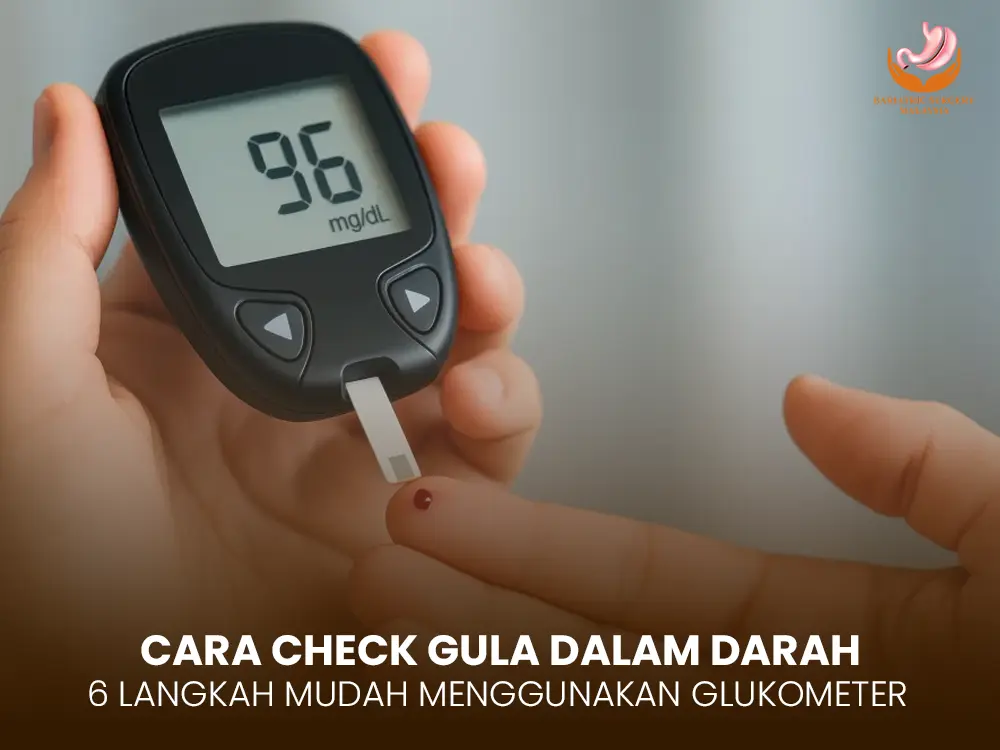
Mengetahui cara check gula dalam darah sangat penting, terutamanya bagi individu yang menghidap diabetes atau mempunyai risiko tinggi. Dengan pemantauan yang kerap, anda dapat mengawal tahap gula dan mencegah komplikasi kesihatan yang serius.Berikut ialah panduan langkah demi langkah untuk memeriksa kadar gula dalam darah di rumah dengan betul dengan menggunakan glukometer. Langkah 1: Persediaan Sebelum Ujian Sebelum memulakan ujian, pastikan semua peralatan lengkap dan bersih. Cuci Tangan Cuci tangan dengan sabun dan air suam untuk mengelakkan pencemaran yang boleh menjejaskan bacaan gula. Jika tiada air, gunakan sanitizer atau alcohol swab. Sediakan Alat Anda perlukan: Mesin pemeriksa gula (glucose meter) Jalur ujian (test strip) Alat picit (lancing device) dan jarum Langkah 2: Pasang Jalur Ujian Ambil satu jalur ujian dari bekas. Masukkan ke dalam mesin gula mengikut arah yang betul. Tunggu sehingga mesin bersedia untuk membaca sampel darah. Langkah 3: Ambil Sampel Darah Masukkan jarum ke dalam alat picit dan tetapkan kedalaman yang sesuai. Pilih jari yang hendak digunakan. Biasanya, tepi hujung jari lebih sesuai kerana kurang sakit. Tekan butang pada alat picit untuk mencucuk jari. Jika darah tidak keluar, urut perlahan dari pangkal ke hujung jari. Langkah 4: Letakkan Darah Pada Jalur Ujian Ambil titisan darah yang keluar. Sentuhkan pada hujung jalur ujian. Pastikan jumlah darah mencukupi untuk bacaan yang tepat. Langkah 5: Baca Keputusan Bacaan Tunggu beberapa saat sehingga mesin menunjukkan bacaan. Catat bacaan gula dalam darah anda di buku log atau aplikasi untuk rujukan doktor. Langkah 6: Selepas Ujian Buang jalur ujian dan jarum ke dalam bekas khas. Cuci tangan semula dengan sabun dan air. Simpan semua peralatan di tempat kering dan jauh daripada cahaya matahari. Bila Waktu Terbaik Untuk Check Gula Dalam Darah Sebelum Makan (Fasting): Bacaan normal antara 4.0 – 5.5 mmol/L. 2 Jam Selepas Makan: Bacaan normal kurang daripada 7.8 mmol/L. Sebelum Tidur: Bacaan ideal antara 6.0 – 8.0 mmol/L. Tips Untuk Mendapatkan Bacaan Tepat Pastikan jalur ujian masih dalam tarikh luput. Simpan mesin di tempat yang kering dan tidak terlalu panas atau sejuk. Gunakan jarum baharu setiap kali ujian. Elakkan mengambil bacaan selepas bersenam atau ketika tangan masih lembap. Bila Perlu Jumpa Doktor Jika bacaan gula terlalu tinggi atau rendah secara berulang, segera berjumpa doktor. Jangan ubah dos ubat atau rawatan tanpa nasihat daripada pakar perubatan. Soalan Lazim (FAQ) Tentang Cara Check Gula Dalam Darah 1. Berapa kerap perlu check gula dalam darah? Bagi pesakit diabetes, disarankan 2 hingga 4 kali sehari — sebelum makan, selepas makan, dan sebelum tidur. Untuk individu tanpa diabetes, boleh dilakukan sekali atau dua kali sebulan untuk pemantauan umum. 2. Perlu berpuasa sebelum check gula? Ya, untuk bacaan gula puasa (fasting blood sugar), anda perlu berpuasa sekurang-kurangnya 8 jam. Untuk bacaan selepas makan, tidak perlu berpuasa. 3. Jari mana paling sesuai untuk ambil darah? Semua jari boleh digunakan, tetapi jari tengah atau manis lebih disarankan kerana lebih lembut dan kurang sakit. 4. Kenapa bacaan gula berbeza setiap kali? Perubahan bacaan boleh disebabkan oleh waktu ujian, jenis makanan, senaman, ubat, atau tekanan. Pastikan anda membuat ujian dalam keadaan yang sama setiap kali. 5. Apa perlu dilakukan jika bacaan tidak masuk akal? Periksa semula tarikh luput jalur ujian, pastikan tangan bersih dan kering, serta mesin berfungsi dengan baik. Jika masih tidak normal, dapatkan nasihat doktor. Kesimpulan Mengetahui cara check gula dalam darah dengan betul membantu anda memahami keadaan tubuh dan mengambil langkah awal untuk mencegah komplikasi diabetes. Jadikan pemeriksaan berkala sebagai rutin dan sentiasa catat bacaan untuk rujukan doktor.Kesihatan yang baik bermula dengan kesedaran dan tindakan yang konsisten.
Thyroid Gland: Function, Common Disorders, and Symptoms in Malaysia
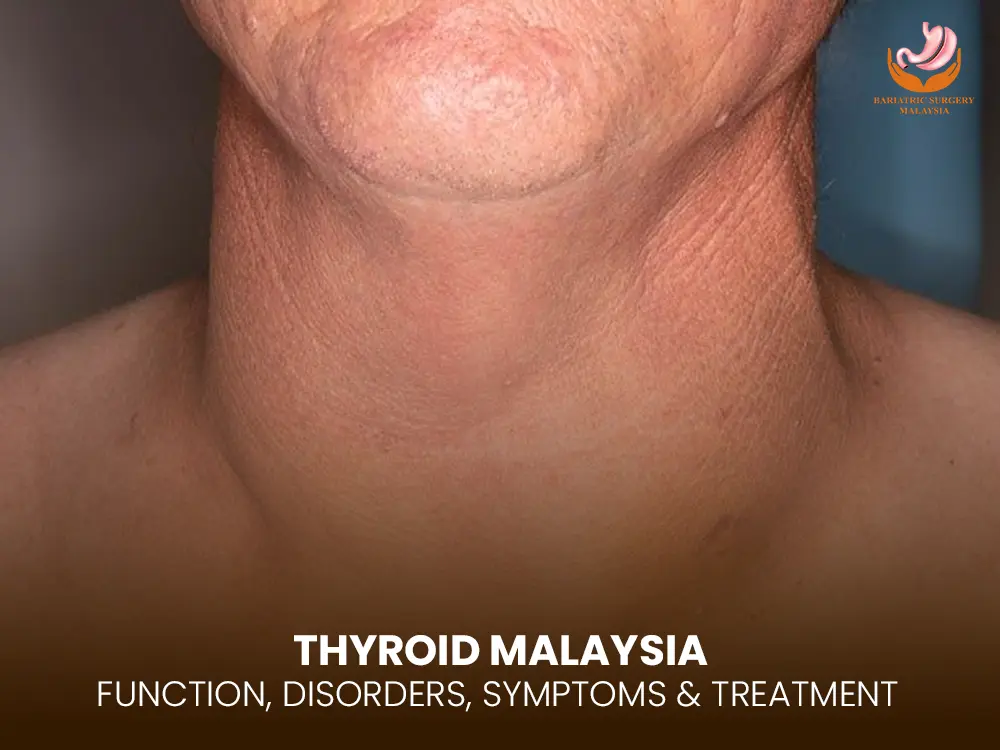
In Malaysia, thyroid disorders affect an estimated 10–15% of the population, with hypothyroidism being the most common type, particularly among women aged 30 to 60. Early screening and treatment are essential as many cases remain undiagnosed until symptoms become severe. What Is the Thyroid? The thyroid gland is a small, butterfly-shaped gland located in the front of your neck, just below your Adam’s apple. Despite its size, the thyroid plays a major role in regulating essential body processes. It produces and releases thyroid hormones that control metabolism, body temperature, heart rate, and energy production. A healthy thyroid ensures that your body converts food into energy efficiently and keeps your organs functioning at the right pace. However, when thyroid hormone levels are too high or too low, it leads to thyroid disorders such as hypothyroidism or hyperthyroidism. The Role of the Endocrine System Your endocrine system is a network of glands that produce and secrete hormones directly into the bloodstream. These hormones act as chemical messengers, controlling growth, mood, metabolism, and reproduction.The major endocrine glands include: Thyroid gland Pituitary gland Hypothalamus Parathyroid glands Adrenal glands Pancreas Ovaries / Testes Among these, the thyroid is essential for maintaining metabolic balance throughout the body. Functions of the Thyroid Your thyroid produces several important hormones that influence nearly every cell and organ in your body: Thyroxine (T4): The primary hormone made by the thyroid. It converts into T3 for metabolic activity. Triiodothyronine (T3): The active hormone that regulates metabolism. Reverse T3 (rT3): A form that counteracts T3. Calcitonin: Regulates calcium levels in the blood. To create these hormones, the thyroid needs iodine, which is obtained from food such as iodized salt, fish, dairy, and seaweed. An iodine imbalance can disrupt thyroid function. Thyroid hormones regulate: Metabolism and energy levels Heart rate and breathing Digestion Brain development Body temperature Skin, hair, and bone health Reproductive function Anatomy of the Thyroid Gland The thyroid is located at the front of the neck, wrapped around the trachea (windpipe). It has two lobes connected by a thin tissue called the isthmus. The gland contains follicular cells that produce hormones (T3 and T4) and C-cells that secrete calcitonin. A normal thyroid is not visible or palpable. When enlarged, it forms a goiter, which may cause neck swelling or tightness. Common Thyroid Disorders Thyroid disorders are widespread and affect millions globally. They can cause either overproduction or underproduction of thyroid hormones.The main thyroid conditions include: 1. Hypothyroidism (Underactive Thyroid) Occurs when the thyroid doesn’t produce enough hormones, slowing down metabolism.Causes: Hashimoto’s disease (autoimmune) Iodine deficiency Thyroid surgery Over-treatment for hyperthyroidism Congenital thyroid disorder Symptoms: Fatigue, weight gain, dry skin, hair loss, constipation, and sensitivity to cold. 2. Hyperthyroidism (Overactive Thyroid) Happens when the thyroid produces excessive hormones, increasing metabolism.Causes: Graves’ disease Thyroid nodules Excessive iodine intake Thyroiditis (inflammation) Symptoms: Weight loss, anxiety, sweating, rapid heartbeat, and heat intolerance. 3. Goiter (Enlarged Thyroid) A goiter develops when the thyroid grows abnormally large. It may result from iodine deficiency, inflammation, or hormonal imbalance. Symptoms: Visible neck swelling, tightness, or difficulty swallowing. 4. Thyroid Cancer A rare but treatable condition where abnormal cells grow in thyroid tissue.Types: Papillary, Follicular, Medullary, and Anaplastic thyroid cancer.Treatment: Thyroidectomy (surgery), radioactive iodine, or hormone therapy. Symptoms of Thyroid Problems Signs of thyroid dysfunction vary based on whether hormone levels are high or low, but common symptoms include: Unexplained weight gain or loss Fatigue or restlessness Irregular heart rate Feeling too hot or cold Hair thinning Mood changes (depression or anxiety) Irregular menstrual cycles If you experience these symptoms, a thyroid function test can determine if your thyroid is underactive or overactive. Thyroid Diagnosis and Tests The most common test for thyroid health is a TSH (Thyroid-Stimulating Hormone) blood test. It measures how well your thyroid responds to pituitary signals. Other diagnostic tools include: T3 and T4 hormone tests Thyroid ultrasound Thyroid scan (radioactive imaging) Fine-needle aspiration biopsy (for nodules) Thyroid Treatment Options Treatment depends on the type and severity of thyroid disorder: 1. Medication Thyroid hormone replacement (Levothyroxine): For hypothyroidism. Antithyroid drugs (Methimazole, PTU): For hyperthyroidism. Beta-blockers: To manage symptoms like rapid heartbeat. Radioactive iodine therapy: To reduce thyroid hormone production. 2. Surgery Thyroidectomy (partial or total removal of the gland) is performed for thyroid cancer, large goiters, or uncontrolled hyperthyroidism. 3. Radiation & Chemotherapy Used in certain thyroid cancer cases to destroy cancer cells and prevent recurrence. Risk Factors for Thyroid Disease You’re more likely to develop thyroid conditions if you: Have a family history of thyroid disorders Are female and over 60 Have autoimmune diseases (like diabetes or lupus) Consume excessive or insufficient iodine Take iodine-rich medications or supplements How to Keep Your Thyroid Healthy Eat iodine-rich foods (iodized salt, seaweed, fish, dairy). Avoid overconsumption of iodine supplements. Manage stress and maintain a balanced diet. Get regular thyroid function tests if you have risk factors. Seek medical advice early for any symptoms of thyroid imbalance. Frequently Asked Questions (FAQs) 1. What are normal thyroid hormone levels?Normal TSH levels range from 0.5 to 5.0 mIU/L, though the range may vary by age and lab standards. 2. Can thyroid problems be cured?Many thyroid conditions are treatable. Hypothyroidism often requires lifelong hormone replacement, while hyperthyroidism may be managed through medication or radioiodine therapy. 3. Can I live without a thyroid?Yes. People who undergo thyroidectomy can live normally by taking thyroid hormone replacement for life. 4. How does diet affect thyroid health?Iodine, selenium, and zinc support thyroid function. Both deficiency and excess iodine can cause problems, so balance is essential. 5. When should I see a doctor for thyroid problems?Consult your healthcare provider if you experience symptoms such as fatigue, neck swelling, weight changes, or heart rate irregularities. Early diagnosis ensures effective treatment. Thyroid Surgery In Malaysia With Dr. Navin Mann Thyroid surgery in Malaysia is a safe and effective treatment for thyroid disorders such as goiter, nodules, or cancer. Performed by Dr. Navin Mann, a certified endocrine and bariatric surgeon, the procedure removes part or all of
Berapakah Bacaan Gula Normal? Jom Check Paras Gula Anda Dengan Betul

Bacaan Gula Normal Bagi individu sihat yang tidak menghidap diabetes, bacaan gula dalam darah yang normal adalah antara 4.0 hingga 5.9 mmol/L ketika berpuasa, dan kurang daripada 7.8 mmol/L selepas dua jam makan. Jadual Bacaan Gula Dalam Darah (mmol/L) Kategori Individu Bacaan Berpuasa (Fasting) 2 Jam Selepas Makan (Post-Prandial) Normal (Bukan Diabetes) 4.0 – 5.9 mmol/L Kurang daripada 7.8 mmol/L Pradiabetes (Kecenderungan) 6.0 – 6.9 mmol/L 7.8 – 11.0 mmol/L Diabetes (Kencing Manis) 7.0 mmol/L ke atas 11.1 mmol/L ke atas Fakta Penting Mengenai Ujian Glukosa Darah Ujian Gula Berpuasa (FBG): Dilakukan selepas tidak mengambil sebarang makanan atau minuman (kecuali air kosong) selama sekurang-kurangnya 8 jam. Ujian Selepas Makan (OGTT/Random): Menunjukkan bagaimana badan memproses gula selepas snek atau hidangan utama. Target Pesakit Diabetes: Bagi penghidap diabetes, sasaran bacaan normal yang dikawal selalunya adalah 4.4 – 7.0 mmol/L (berpuasa) dan kurang daripada 8.5 mmol/L (selepas makan). Ujian HbA1c: Mengukur purata paras gula darah bagi tempoh 3 bulan lalu. Bacaan normal HbA1c adalah bawah 5.7%.