
Endoscopy Malaysia: Types, Procedures, Benefits, and What To Expect
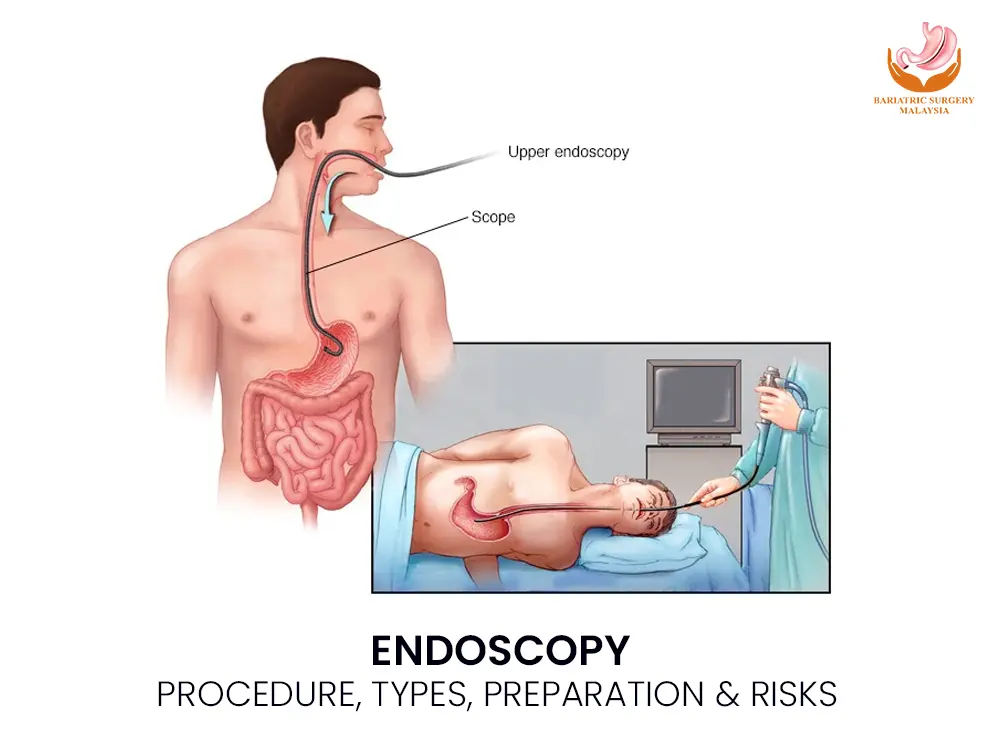
Endoscopy is a minimally invasive medical procedure that allows doctors to directly visualise the digestive tract using a flexible camera. It helps diagnose, monitor, and treat conditions such as ulcers, bleeding, inflammation, and cancer, often with same-day results, high accuracy, and a low risk of complications. What Is Endoscopy? Endoscopy is a diagnostic and therapeutic procedure that uses a flexible endoscope—a thin tube equipped with a high-definition camera and light source—to examine the inside of the body. It is most commonly used to assess the upper and lower gastrointestinal tract, including the oesophagus, stomach, small intestine, colon, and rectum. Unlike imaging tests, endoscopy allows direct visualisation of the mucosal lining, enabling doctors to detect subtle abnormalities, take biopsies, and perform treatment during the same procedure. Types of Endoscopy Procedures Upper Gastrointestinal Endoscopy (Gastroscopy) Examines the oesophagus, stomach, and duodenum.Common indications include: Chronic acid reflux (GERD) Gastritis and peptic ulcers Helicobacter pylori infection Upper gastrointestinal bleeding Barrett’s oesophagus Suspicion of upper GI cancer Colonoscopy Examines the entire colon and rectum, including the ascending, transverse, and descending colon.Used for: Colorectal cancer screening Colon polyps and precancerous lesions Chronic diarrhoea or constipation Inflammatory bowel disease Sigmoidoscopy A shorter procedure focusing on the lower part of the colon. Capsule Endoscopy Uses a swallowable camera capsule to visualise the small intestine, especially when standard endoscopy cannot reach the area. Endoscopic Ultrasound (EUS) Combines endoscopy with ultrasound to evaluate deeper tissue layers, lymph nodes, pancreas, and nearby organs. How Endoscopy Works (Mechanism of Action) Real-time imaging via fibre-optic or digital chip technology Light transmission illuminates internal structures Carbon dioxide or air is gently insufflated to expand the organ Abnormal tissue is identified visually Biopsy forceps allow painless tissue sampling Therapeutic channels enable treatment during the procedure This direct approach makes endoscopy more accurate than scans for many digestive conditions. Why Is Endoscopy Done? Diagnostic Purposes Persistent abdominal pain Difficulty swallowing Unexplained weight loss Gastrointestinal bleeding Anaemia of unknown cause Chronic bowel habit changes Therapeutic Uses Removal of polyps (polypectomy) Control of bleeding using clips or cautery Dilatation of narrowed areas (strictures) Removal of foreign objects Targeted biopsies for cancer diagnosis Conditions Diagnosed or Treated with Endoscopy Gastritis and erosions Peptic ulcer disease Gastroesophageal reflux disease (GERD) Varices Strictures Dysplasia and precancerous lesions Inflammatory bowel disease Gastrointestinal cancers Early detection through endoscopy significantly improves treatment outcomes. Preparation Before Endoscopy Preparation depends on the procedure type: Fasting for 6–8 hours (gastroscopy) Bowel cleansing agents (polyethylene glycol solutions) for colonoscopy Review of medications, especially blood thinners Disclosure of allergies, pregnancy, or chronic medical conditions Proper preparation ensures clear visibility and accurate results. Sedation and Medications Used Most procedures use conscious sedation, allowing comfort while maintaining breathing reflexes. Common agents include: Local anaesthetic throat spray (lidocaine) Intravenous sedatives (midazolam) Analgesics (fentanyl) Vital signs are continuously monitored throughout the procedure. Is Endoscopy Painful? Endoscopy is generally not painful. Patients may feel mild pressure or bloating due to air insufflation. Throat irritation or temporary drowsiness after sedation is common but short-lived. Risks, Side Effects, and Safety Endoscopy is considered very safe when performed by a board-certified gastroenterologist in an accredited medical facility. Possible Risks (Rare) Bleeding after biopsy or polyp removal Gastrointestinal perforation (less than 1%) Infection Sedation-related breathing issues Most patients recover fully within hours. Aftercare and Recovery Avoid driving or operating machinery for 24 hours if sedated Resume light meals once swallowing is normal Expect mild bloating or sore throat temporarily Seek medical attention for severe pain, fever, vomiting, or bleeding Biopsy results are usually available within 3–7 days Who Should Consider Endoscopy? Endoscopy is recommended for: Adults over 45 with digestive symptoms Individuals with a family history of gastrointestinal cancer Patients with unexplained anaemia or bleeding Those with abnormal imaging or blood test results It is also a key tool for cancer screening and prevention. Frequently Asked Questions (FAQ) Is endoscopy used for cancer screening? Yes. It detects early cancer and precancerous changes, especially in the stomach and colon. Will I be fully asleep during endoscopy? Most patients receive conscious sedation, not general anaesthesia. How accurate is endoscopy compared to CT scans? Endoscopy is more accurate for detecting mucosal disease and allows biopsy. How soon can I eat after endoscopy? Usually within a few hours, once numbness wears off. When will biopsy results be ready? Typically within 3 to 7 days. Can endoscopy treat conditions or only diagnose? It can both diagnose and treat many conditions in the same session. Conclusion: Prevention Saves Lives Whether it’s managing IBD (Crohn’s or Colitis) or performing a routine cancer screening, endoscopy is a life-saving tool. It moves the conversation from “guessing” what’s wrong to “seeing” exactly what’s wrong. Finding a problem early—especially GI cancers—makes treatment much more successful.