



The OMAD diet, also called One Meal a Day, 23:1 intermittent fasting, or the Warrior diet, involves eating all calories in a single meal. It may aid weight loss, improve insulin sensitivity, and trigger autophagy. However, OMAD has risks like nutrient gaps, fatigue, and hunger. Medical guidance and careful planning are essential.
What Is the OMAD Diet?

OMAD fasting is an extreme form of time-restricted feeding (TRF) where all daily calories are consumed within a 1-hour eating window, followed by roughly 23 hours of fasting.
The approach is sometimes called the Warrior diet. Unlike other intermittent fasting methods (like 16:8 or 14:10), OMAD is highly restrictive and focuses on when you eat rather than what you eat. Beginners often try the OMAD 30-day challenge to track OMAD results, including weight loss, mental clarity, and appetite control.
How OMAD Diet Affects the Body
During the long fasting window, OMAD triggers several biological processes:
Insulin sensitivity improves, which may benefit blood sugar control
Glycogen stores deplete, prompting metabolic switching to fat for energy
Autophagy and cellular repair increase, helping the body remove damaged cells
Ghrelin and leptin levels adjust, affecting hunger and fullness
Human Growth Hormone (HGH) may rise, aiding muscle preservation
Prolonged fasting can promote ketosis, especially on OMAD keto
These processes contribute to potential weight loss, fat burning, and metabolic benefits, though effects vary widely.
Read More : Diet IF
Potential Benefits of OMAD Diet
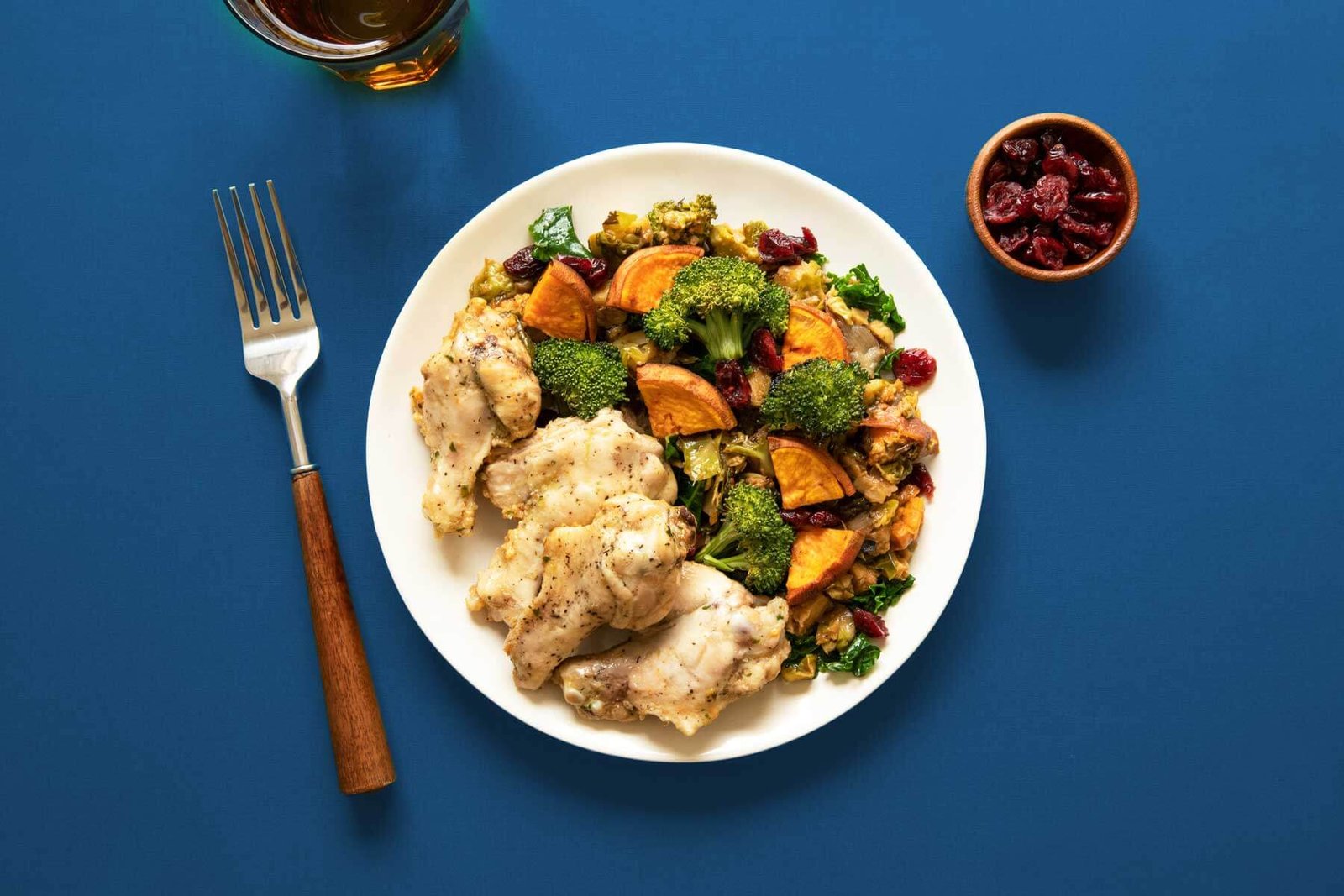
The OMAD diet may offer several advantages, particularly when meals are well-planned:
Weight loss: Eating once often creates a caloric deficit, helping break a weight loss plateau
Mental clarity: Many report improved focus during fasting
Simplicity: Planning a single high protein OMAD meal or a nutrient-dense 1500–2000 calorie OMAD reduces food prep stress
Metabolic health: Autophagy and hormonal benefits support overall cell and metabolic function
OMAD results depend on calorie quality, macronutrient balance, and adherence to the fasting schedule.
Risks and Side Effects
Despite potential benefits, OMAD carries notable risks:
Fatigue, dizziness, headaches, and irritability
Difficulty meeting daily nutrient density and protein requirements
Blood sugar fluctuations, especially for women and people with diabetes
Possible slow-down in basal metabolic rate (BMR) if calories are too low
The refeeding window is critical to prevent nutrient gaps. Using OMAD meal ideas that include vegetables, protein, and healthy fats is essential. Hydration and electrolytes for fasting are also important, especially during longer fasts.
Mortality Risk: A 2023 study published in the Journal of the Academy of Nutrition and Dietetics indicated that consuming only one meal per day is associated with a higher risk of all-cause and cardiovascular disease mortality in adults aged 40 and older.
Meal Planning for OMAD Diet
Successful OMAD requires careful planning:
1500 calorie OMAD: Moderate weight loss
2000 calorie OMAD: Suitable for active adults
High protein OMAD: Preserves muscle mass
OMAD keto: Low-carb, high-fat fat-burning option
Focus on macronutrient balance, vitamins, minerals, and nutrient-dense foods. Use bone broth OMAD or black coffee fasting to manage hunger during fasting hours.
Best time for OMAD meal: Many people choose lunch or dinner based on work and social schedules. Consistency helps with hunger management and adherence.
OMAD Diet vs Other Intermittent Fasting Methods
| Fasting Method | Eating Window | Safety |
|---|---|---|
| 14:10 | 10 hours | Low-risk, beginner-friendly |
| 16:8 | 8 hours | Moderate, sustainable |
| OMAD / 23:1 | 1 hour | High risk, extreme but may enhance autophagy |
Less extreme fasting often yields similar benefits with lower side effects.
Practical Tips for Beginners
Start gradually: try shorter fasts before committing to OMAD
Plan meals: meal prep for OMAD ensures balanced calories and nutrients
Hydrate with water, black coffee, or bone broth OMAD
Listen to your body: avoid intense workouts initially; ask “Can I exercise on OMAD?”
Focus on OMAD benefits like mental clarity and metabolic switching, but monitor OMAD side effects
FAQ
How to start OMAD? Begin with shorter fasting windows and gradually increase fasting hours while maintaining macronutrient balance.
OMAD vs 16:8 fasting: OMAD is more extreme, 16:8 is easier to sustain and safer long-term.
Is OMAD safe for women? Women may be more sensitive to fasting. Monitor energy, hormones, and nutrient intake.
How to break an OMAD fast? Eat a balanced, nutrient-dense meal. Avoid overeating.
OMAD success stories: Many report fat loss, appetite control, and better focus. Results vary depending on calories, meal quality, and consistency.
Bariatric Surgery vs OMAD Diet: Which Is Right?
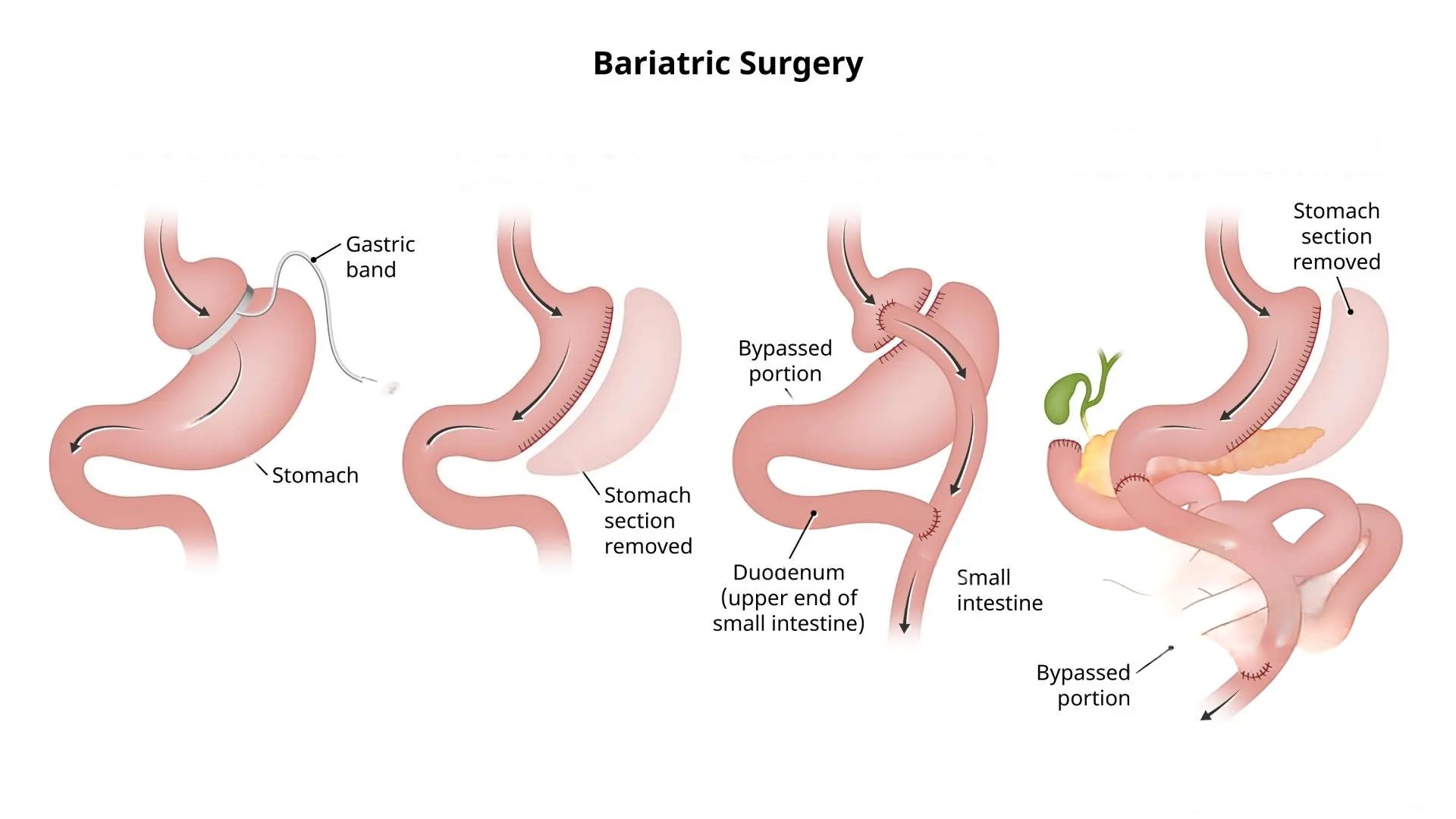
Bariatric surgery and the OMAD diet both support weight loss, but in very different ways. Bariatric surgery is a safe, medically supervised procedure that not only reduces stomach size but also improves hunger hormones and metabolism. It can lead to significant, long-term weight loss and often improves conditions like type 2 diabetes, high blood pressure, and sleep apnea.
The OMAD diet, or One Meal a Day, is a form of 23:1 intermittent fasting that can help healthy adults lose weight and boost metabolism, but it may cause fatigue, nutrient gaps, and can be hard to maintain long-term. Choosing the right approach depends on your health, goals, and guidance from a medical professional.
Key Takeaway
The OMAD diet can improve insulin sensitivity, support autophagy, and aid weight loss when done correctly. However, it is extreme, with risks like nutrient deficiency, fatigue, and slowed metabolism. Proper OMAD meal planning, hydration, and professional guidance are essential, especially for beginners, women, and active adults.