

Bariatric surgery includes several procedures that help patients lose weight safely and improve health. Each type—gastric sleeve, gastric bypass, adjustable gastric band, and BPD/DS—offers unique benefits, from appetite reduction to metabolic improvement. Choosing the right surgery depends on your health, goals, and lifestyle, guided by a certified surgeon.
Understanding Bariatric Surgery
Bariatric surgery, or weight-loss surgery, helps people with obesity lose weight when lifestyle changes aren’t enough.
It works by restricting the stomach, reducing calorie absorption, or changing hormones that control appetite.
Surgery is usually recommended for adults with a BMI ≥35, or ≥30 with obesity-related conditions.
These procedures can improve health, mobility, and overall quality of life.
At Bariatric Surgery Malaysia Centre, our certified bariatric surgeons, Dr. Navin Mann provide personalized treatment plans for obesity. Using evidence-based bariatric surgery techniques, we ensure safe weight loss, improved metabolism, and long-term health benefits for patients across Malaysia.
Types of Bariatric Surgery
Gastric Sleeve (Sleeve Gastrectomy)
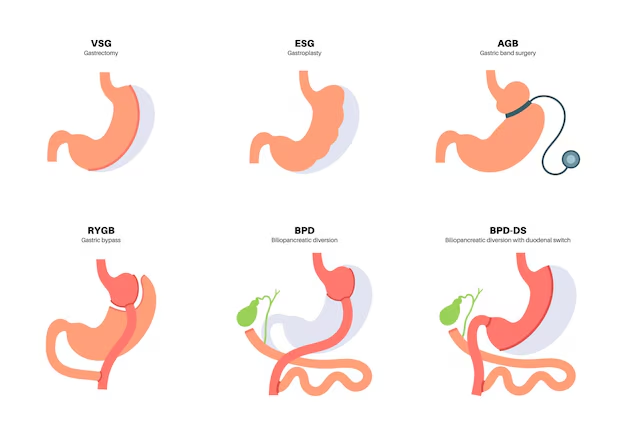
Gastric sleeve removes about 75–80% of the stomach, leaving a smaller tube-shaped stomach.
This reduces the amount of food you can eat and lowers ghrelin, the hunger hormone.
Patients usually experience steady, significant weight loss and improved energy levels.
It preserves normal digestion and has a lower complication rate than more complex surgeries.
Gastric Bypass (Roux-en-Y)
Gastric bypass creates a small stomach pouch and reroutes part of the small intestine.
This reduces food intake, limits calorie absorption, and changes gut hormones to control appetite.
Patients often lose weight rapidly and see improvements in diabetes, blood pressure, and cholesterol (study).
It is especially effective for people with severe obesity or metabolic conditions.
Adjustable Gastric Band (Lap-Band)
The adjustable gastric band uses a silicone band around the upper stomach to limit food intake.
It slows passage of food, reduces portion sizes, and is reversible without changing digestion.
Weight loss is slower and gradual, which suits patients who prefer a steady lifestyle approach.
The risk of nutrient deficiencies is low, and ongoing adjustments help control eating habits.
Biliopancreatic Diversion with Duodenal Switch (BPD/DS)
BPD/DS combines sleeve gastrectomy with significant intestinal bypass for maximum weight loss.
It profoundly alters hormones, appetite, and metabolism, improving insulin sensitivity and diabetes.
Patients achieve the greatest total weight loss and long-term metabolic benefits.
Lifelong vitamin and mineral supplementation is essential to prevent deficiencies.
Choosing the Right Procedure
Choosing the best surgery depends on your health, weight-loss goals, and lifestyle.
Consider your BMI, existing medical conditions, and how quickly you want to lose weight.
Surgical risk tolerance and ability to follow post-operative diet and supplementation are key.
A certified bariatric surgeon and multidisciplinary team will guide you to the most suitable option.
Benefits of Bariatric Surgery Types
Gastric Sleeve: steady weight loss, reduced hunger, preserved digestion, lower complication risk.
Gastric Bypass: rapid weight loss, diabetes improvement, better heart health, hormonal regulation.
Adjustable Band: gradual weight loss, portion control, reversible, low risk of nutrient deficiencies.
BPD/DS: maximum weight loss, strong metabolic improvement, hormonal benefits, long-term results.
Dr. Navin Mann: “As a bariatric surgeon, I’ve seen how different types of bariatric surgery can transform patients’ lives. Gastric sleeve, gastric bypass, adjustable gastric band, and BPD/DS each offer unique benefits depending on health needs and weight-loss goals. My goal is to guide patients safely, helping them achieve sustainable weight loss and improved overall health through evidence-based, personalized care.”
FAQs About Types of Bariatric Surgery
1. Which surgery offers the fastest weight loss?
BPD/DS and gastric bypass usually provide the most rapid, significant weight loss.
2. Which surgery is safest with lowest complications?
Gastric sleeve and adjustable gastric band have lower complication rates and are less invasive.
3. Are all surgeries reversible?
Adjustable gastric band is reversible. Sleeve, bypass, and BPD/DS are generally permanent.
4. Will I need vitamins after surgery?
Yes. Bypass and BPD/DS require lifelong supplementation. Sleeve may need some vitamins, band minimal.
5. How do I know which type is right for me?
A certified bariatric surgeon and multidisciplinary team will evaluate your health, goals, and lifestyle to guide the choice.