


Dumping Syndrome is a digestive condition that occurs when food moves too quickly from the stomach into the small intestine. It most commonly develops after stomach or weight-loss surgery, particularly procedures like Gastric Bypass Surgery and Sleeve Gastrectomy.
When the stomach empties too rapidly, the body may struggle to properly digest food and regulate blood sugar levels. As a result, people can experience symptoms such as nausea, abdominal cramps, dizziness, and fatigue shortly after eating.
Although the condition can feel uncomfortable, many individuals learn to manage Dumping Syndrome effectively through dietary adjustments and lifestyle changes.
Why Dumping Syndrome Happens
Under normal conditions, the stomach releases food slowly into the small intestine. This controlled process allows digestive enzymes and hormones to regulate nutrient absorption.
However, after certain gastrointestinal procedures like Gastric Bypass Surgery, the stomach’s structure changes. The pyloric valve—which normally regulates how food leaves the stomach—may be bypassed or function differently.
Without this natural control mechanism, food (especially sugar-rich foods) can move too rapidly into the small intestine.
This sudden shift can trigger several reactions:
- Rapid fluid movement into the intestine
- Sudden hormone release
- Blood sugar fluctuations
These changes explain why symptoms can appear quickly after meals.
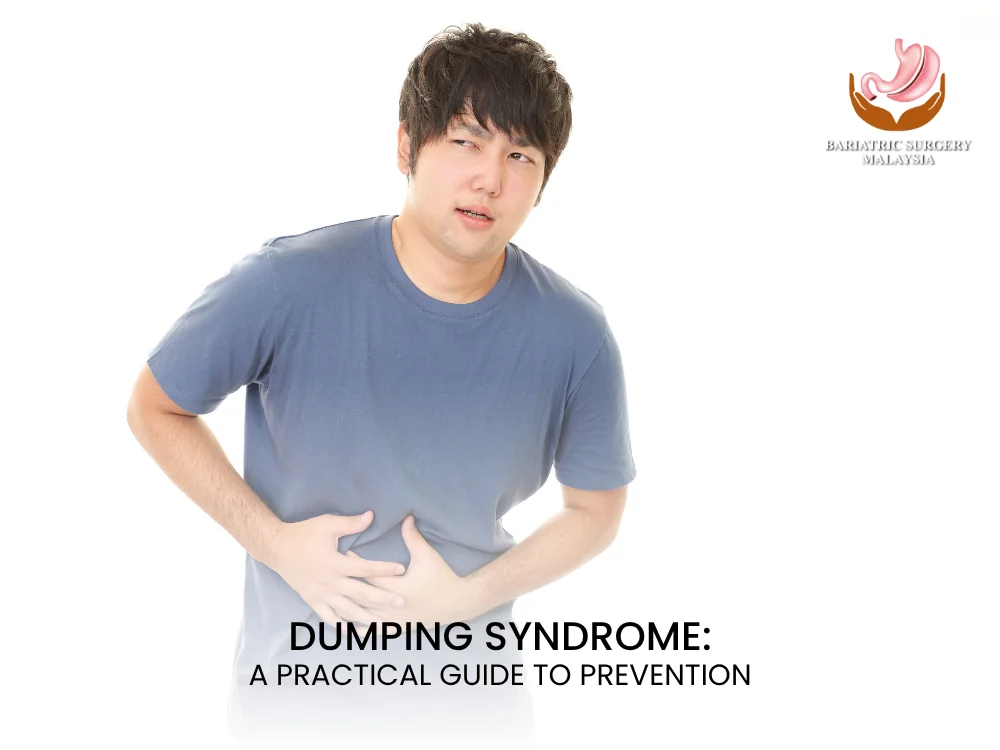
Early vs Late Dumping Syndrome
Doctors typically categorize the condition into two types depending on when symptoms occur.
Early Dumping Syndrome
Early symptoms usually develop 10 to 30 minutes after eating.
Common signs include:
- Nausea
- Abdominal cramping
- Diarrhea
- Bloating
- Rapid heartbeat
- Dizziness
These symptoms happen because fluid rapidly shifts into the intestine to dilute the undigested food.
Late Dumping Syndrome
Late symptoms typically appear 1 to 3 hours after a meal.
They are often linked to blood sugar changes and may include:
- Weakness
- Sweating
- Shakiness
- Difficulty concentrating
- Fatigue
Late symptoms are sometimes associated with reactive hypoglycemia, which occurs when the body releases too much insulin after a carbohydrate-heavy meal.
Common Symptoms to Watch For
Symptoms can vary widely from person to person, and their intensity may depend on meal composition and individual sensitivity. However, several patterns are commonly reported.
Many individuals experience gastrointestinal symptoms shortly after eating. These may include nausea, occasional vomiting, abdominal cramping, and diarrhea. Such symptoms are often linked to how quickly food moves through the digestive system, particularly after certain types of meals.
In addition to digestive discomfort, circulatory-related symptoms can occur. Some people report feeling lightheaded or dizzy, along with a rapid heartbeat or palpitations. These sensations may be accompanied by sweating or facial flushing, which can feel sudden and uncomfortable.
A sense of post-meal fatigue is also frequently described. Instead of feeling energized after eating, individuals may feel unusually tired or weak. This can interfere with daily activities, especially if it happens regularly after meals.
Interestingly, some symptoms may appear later rather than immediately. A few hours after eating, individuals may experience sudden hunger, shakiness, or low energy levels. This delayed response is often linked to fluctuations in blood sugar levels.
Many patients notice that symptoms tend to worsen after consuming foods high in sugar or refined carbohydrates. These types of foods can trigger faster digestion and more pronounced shifts in blood sugar, which may intensify both early and delayed symptoms.
Because these symptoms can overlap with other digestive or metabolic conditions, tracking when they occur and what foods trigger them can be helpful when discussing concerns with a healthcare professional.
Who Is Most Likely to Experience Dumping Syndrome?
The condition is most commonly seen after certain stomach surgeries.
Procedures associated with a higher risk include:
- Gastric Bypass Surgery
- Sleeve Gastrectomy
- Gastrectomy
These operations are frequently performed to treat severe obesity, medically known as Obesity, or other gastrointestinal diseases.
However, not everyone who undergoes these procedures develops Dumping Syndrome. Individual digestive responses and diet patterns play a role.
How Dumping Syndrome Is Diagnosed
Doctors usually diagnose the condition based on symptoms and medical history.
Evaluation may include:
Medical history review
Patients are asked about recent surgeries and symptom timing after meals.
Blood glucose testing
This helps detect blood sugar drops related to late symptoms.
Gastric emptying studies
Imaging tests can measure how quickly food leaves the stomach.
In many cases, diagnosis is primarily clinical, meaning it relies on symptom patterns rather than a single definitive test.
Practical Tips to Prevent Dumping Syndrome
Dietary changes are often the most effective way to prevent symptoms.
Healthcare providers frequently recommend the following strategies:
Eat Smaller, More Frequent Meals
Instead of three large meals, aim for five to six smaller meals per day. Smaller portions reduce the sudden movement of food into the intestine.
Limit Sugary Foods
Foods high in simple sugars can worsen symptoms.
Examples to limit include:
- Sweetened beverages
- Desserts
- Candy
- Syrups
These foods can trigger rapid shifts in blood sugar levels.
Increase Protein Intake
Protein helps slow digestion and promotes more stable blood sugar levels.
Good sources include:
- Eggs
- Fish
- Lean meats
- Tofu
- Legumes
Many bariatric patients already follow higher-protein diets as part of long-term recovery.
Avoid Drinking Liquids With Meals
Drinking fluids during meals may accelerate stomach emptying.
A common recommendation is to drink liquids 30 minutes before or after meals, rather than during the meal itself.
Choose High-Fiber Foods
Fiber slows digestion and helps regulate blood sugar.
Helpful foods include:
- Whole grains
- Vegetables
- Beans
- Oats
Gradually increasing fiber intake can improve digestive stability.
Lifestyle Adjustments That May Help
Beyond diet, certain habits may also reduce symptoms.
Eat slowly and chew food thoroughly
This improves digestion and reduces the risk of food moving too quickly through the stomach.
Rest briefly after meals
Some people find that lying down for 15–30 minutes after eating helps slow gastric emptying.
Keep a food diary
Tracking foods and symptoms can help identify personal triggers.
Medical Treatments for Severe Cases
Most people manage Dumping Syndrome through dietary adjustments alone. However, persistent symptoms may require medical treatment.
Doctors may consider medications such as:
- Acarbose, which slows carbohydrate absorption
- Octreotide, which can delay stomach emptying
In rare cases, additional surgical procedures may be recommended to modify digestive anatomy.
Treatment decisions should always be made with guidance from a qualified healthcare professional.
When to See a Doctor
Occasional digestive discomfort after gastrointestinal surgery can be part of the normal healing process. However, persistent or worsening symptoms should not be ignored, as they may indicate conditions such as Dumping Syndrome or other underlying issues.
Medical advice is important if symptoms become frequent or severe. Repeated episodes of nausea, diarrhea, dizziness, or rapid heartbeat may suggest that the body is struggling to adapt to changes in digestion and nutrient absorption.
You should also seek evaluation if symptoms are interfering with daily activities. Feeling unwell after most meals, avoiding food due to discomfort, or experiencing ongoing fatigue can significantly affect quality of life and nutritional health.
Unintentional or significant weight loss is another key warning sign. While some weight change may be expected after certain surgeries, excessive or rapid loss may indicate poor nutrient absorption or inadequate caloric intake.
More urgent medical attention is needed if symptoms are accompanied by fainting, severe dizziness, or persistent vomiting. These could lead to dehydration, electrolyte imbalances, or other complications that require prompt care.
A doctor can help determine whether symptoms are related to Dumping Syndrome or another digestive condition, and may recommend dietary adjustments, medications, or further evaluation if needed.
Early guidance and proper management can make a significant difference, helping patients regain comfort, maintain proper nutrition, and improve long-term quality of life after gastrointestinal surgery.
Frequently Asked Questions (FAQs)
1. What causes Dumping Syndrome?
The condition occurs when food moves too quickly from the stomach to the small intestine, often after stomach surgery.
2. Is Dumping Syndrome dangerous?
It is usually not dangerous, but symptoms can be uncomfortable. Proper diet management typically improves the condition.
3. How long does Dumping Syndrome last?
For many people, symptoms improve within months after surgery as the body adapts.
4. What foods trigger Dumping Syndrome?
Foods high in sugar, refined carbohydrates, or large portions can trigger symptoms.
5. Can Dumping Syndrome happen without surgery?
It is uncommon but may occur in certain digestive disorders.
6. Does Dumping Syndrome cause weight loss?
Some individuals may lose weight due to reduced food intake or dietary changes.
7. Can drinking water cause symptoms?
Drinking large amounts of liquid during meals may worsen symptoms because it speeds up stomach emptying.
8. Is Dumping Syndrome permanent?
In many cases, symptoms improve over time with proper diet adjustments.
9. Are medications required for treatment?
Most cases are managed with diet changes, but medications may help if symptoms are severe.
10. Should I see a specialist?
Yes. A gastroenterologist or bariatric specialist can help diagnose and manage the condition effectively.
Conclusion
Dumping Syndrome is a common digestive issue that can occur after certain stomach surgeries. While symptoms such as nausea, dizziness, and abdominal discomfort may initially be concerning, many people successfully manage the condition through dietary adjustments and mindful eating habits.
Understanding how the digestive system responds after procedures like Gastric Bypass Surgery can help patients make informed food choices and reduce symptom triggers.
With proper medical guidance, most individuals are able to prevent severe symptoms and maintain a balanced lifestyle after surgery.