

Struggling to reach a healthy weight despite endless diets? In Malaysia, weight loss surgery has become a gold standard for long-term obesity management. Among these options, the gastric bypass stands out as a powerful “gold standard” procedure that offers significant metabolic benefits and life-changing results.
What Is Gastric Bypass Surgery?
Definition of Roux-en-Y Gastric Bypass
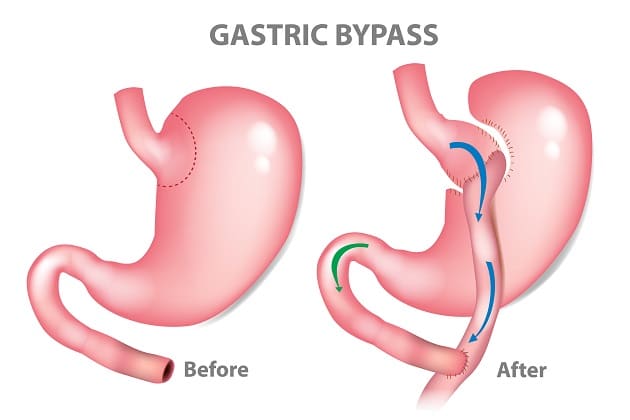
The Roux-en-Y Gastric Bypass (RYGB) is a surgical weight loss procedure that creates a small stomach pouch and reroutes the digestive tract. It is the most common bypass method worldwide. Surgeons use staples to divide the stomach, effectively “bypassing” the rest of the organ and the first part of the small intestine.
How Gastric Bypass Works for Weight Loss
This procedure works through restriction and malabsorption. By shrinking the stomach to the size of an egg, it restricts food intake. Additionally, rerouting the intestines reduces calorie absorption. Hormonal shifts also occur, lowering hunger signals and improving blood sugar regulation—crucial for metabolic health improvement.
Who Is Suitable for Gastric Bypass?
BMI Requirements and Eligibility Criteria
In Malaysia, eligibility follows the Asian BMI thresholds, which are lower than Western standards due to higher metabolic risks. Generally, you qualify if your Body Mass Index (BMI) is $\ge 37.5$ without conditions, or $\ge 32.5$ if you suffer from weight-related health issues like diabetes or hypertension.
Medical Conditions That Qualify for Surgery
Beyond BMI, certain “comorbidities” make you a prime candidate. If you have severe Type 2 Diabetes, obstructive sleep apnea, or non-alcoholic fatty liver disease (NAFLD), a bypass is often recommended. It is especially effective for patients with chronic acid reflux (GERD) who may not suit a gastric sleeve.
How Gastric Bypass Surgery Is Performed
Laparoscopic Surgical Procedure
Modern bypasses are performed using a laparoscopic approach. Instead of a large open incision, surgeons make 4–5 tiny “keyhole” cuts. A camera and specialized tools are used, which significantly reduces post-operative pain and shortens your hospital stay compared to traditional open surgery methods.
Stomach and Intestine Reconfiguration Process
First, the surgeon staples the upper stomach into a small pouch. Next, they divide the small intestine, attaching the lower part (the Roux limb) directly to the new pouch. The remaining stomach and upper intestine are reattached further down, creating a “Y” shape where digestive juices eventually meet food.
Benefits of Gastric Bypass
Significant Long-Term Weight Loss
Patients typically lose 60% to 80% of their excess body weight within the first 12 to 18 months. Because of the malabsorptive component, the bypass often results in more profound long-term weight maintenance compared to purely restrictive procedures, helping patients stay at their goal weight for years.
Improvement in Obesity-Related Diseases
The impact on health is dramatic. According to research in The Lancet, gastric bypass is exceptionally effective at putting Type 2 Diabetes into remission. It also significantly lowers blood pressure and cholesterol, reducing the overall risk of heart disease and stroke for Malaysian patients.
| Condition | Remission/Improvement Rate |
| Type 2 Diabetes | 80% – 85% |
| Sleep Apnea | 75% – 90% |
| Hypertension | 60% – 70% |
Risks and Side Effects of Gastric Bypass
Short-Term Surgical Risks
Like any major operation, there are risks such as infection, blood clots, or anastomotic leaks at the connection sites. Though rare (occurring in less than 1–2% of cases), these require immediate medical attention. Choosing a highly experienced bariatric surgeon in Malaysia helps minimize these surgical complications.
Long-Term Nutritional Deficiencies
Because the body bypasses the section where most vitamins are absorbed, nutritional deficiencies are a concern. You may experience low levels of Vitamin B12, iron, and calcium. Another side effect is Dumping Syndrome, which causes nausea or dizziness if you consume high-sugar or high-fat foods too quickly.
Recovery After Gastric Bypass
Recovery Timeline After Surgery
Expect to stay in the hospital for 2 to 3 days for monitoring. Most Malaysians return to light desk work within 2 weeks. However, you must avoid heavy lifting or strenuous exercise for at least 6 weeks to ensure the internal connections (anastomoses) have healed securely.
Post-Surgery Diet Progression
Your new stomach requires a slow transition to solid food:
Stage 1 (Days 1–7): Clear liquids (water, broth).
Stage 2 (Weeks 2–3): Full liquids and pureed foods.
Stage 3 (Weeks 4–5): Soft foods like eggs and steamed fish.
Stage 4 (Week 6+): Solid, high-protein meals in small portions.
Gastric Bypass Cost in Malaysia
Average Price Range
In Malaysian private hospitals, a gastric bypass typically costs between RM 35,000 and RM 55,000. While more expensive than a gastric sleeve due to surgical complexity and specialized equipment, it remains highly competitive compared to international prices in Singapore or Western countries.
Factors Affecting Surgery Cost
The total bill varies based on the hospital’s location (e.g., Kuala Lumpur vs. Penang), the surgeon’s experience, and the duration of the hospital stay. Consumables, such as the high-tech stapling devices and anesthesia fees, also contribute. Some patients may use EPF Account 2 withdrawals for medical expenses.
FAQs About Gastric Bypass
Is Gastric Bypass Permanent?
Yes, it is considered a permanent surgical change. While it can technically be reversed in extreme medical emergencies, the procedure is designed to be a lifelong tool. This permanence is a key factor in its high success rate for long-term weight control.
How Much Weight Can Be Lost?
Most patients lose about 30% to 40% of their total body weight. For a person weighing 100kg, this equals a loss of 30kg to 40kg. Success depends on following a clinically supervised nutritional plan and incorporating regular physical activity.
Is Gastric Bypass Safe?
Yes, when performed by a credentialed team. The mortality rate is approximately 0.2%, which is comparable to common surgeries like gallbladder removal. For most obese patients, the health risks of not having surgery far outweigh the risks of the procedure itself.
How Long Is Recovery Time?
You will likely feel “back to normal” in terms of energy within 3 to 4 weeks. However, the full internal healing of the bypassed sections takes about 6 to 8 weeks. Most patients are encouraged to walk within hours of surgery to speed up recovery.
Can Weight Be Regained After Gastric Bypass?
Weight regain is possible if lifestyle changes aren’t maintained. “Grazing” on high-calorie snacks or drinking sugary sodas can bypass the restriction of the small pouch. Success requires a commitment to a high-protein, low-sugar diet and avoiding calorie-dense liquids that slide through the bypass easily.