
Achieve significant, long-term weight loss with OAGB, a minimally invasive bariatric procedure that helps reduce food intake and calorie absorption. Take the next step toward better health, improved mobility, and a more confident lifestyle.
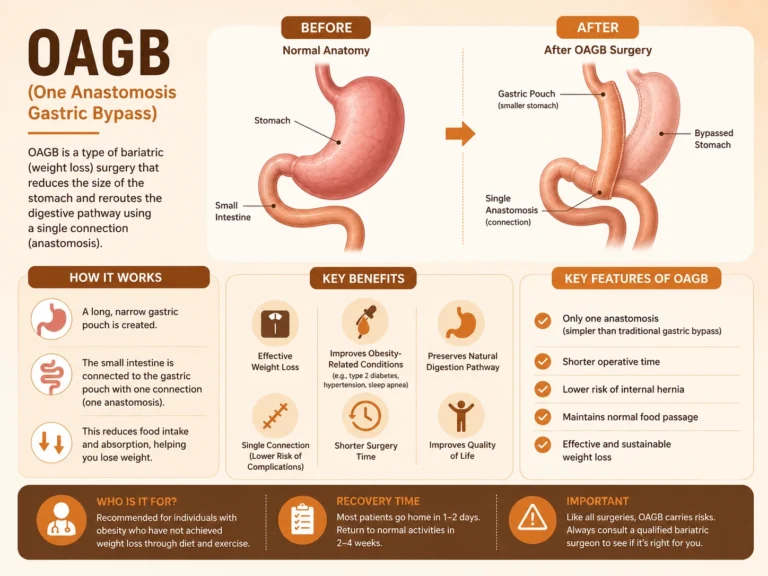
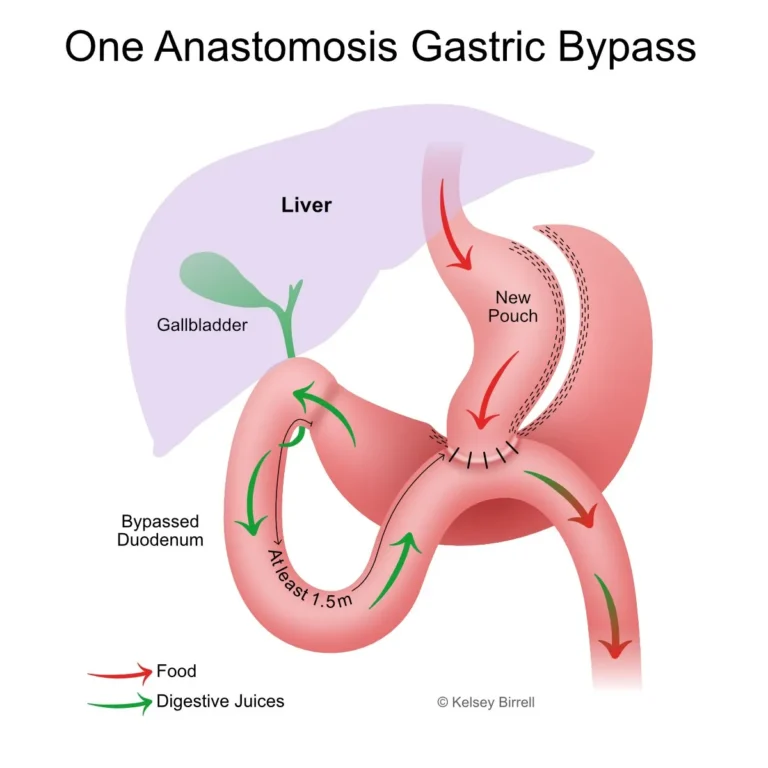
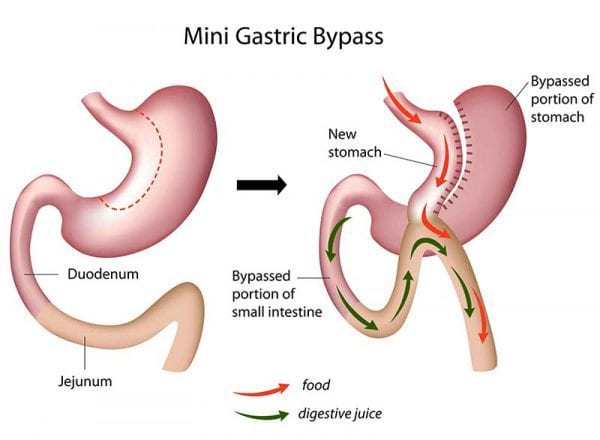
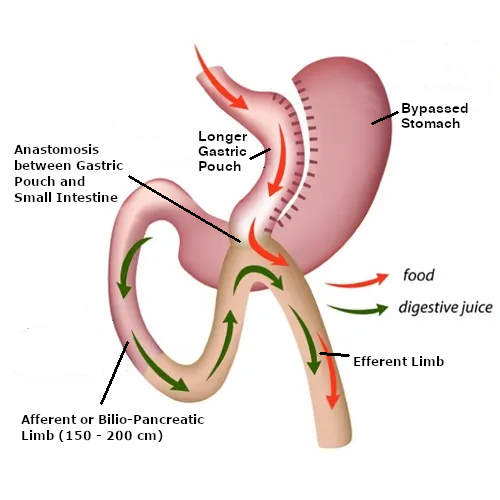
One Anastomosis Gastric Bypass (OAGB), also known as Mini Gastric Bypass, is a bariatric surgery that helps individuals with obesity achieve sustainable weight loss. The procedure creates a small stomach pouch and connects it directly to a section of the small intestine, reducing both food intake and calorie absorption.
OAGB works through a combination of restriction and malabsorption. The smaller stomach pouch limits the amount of food that can be consumed, while bypassing part of the small intestine reduces the absorption of calories and nutrients. This dual mechanism supports significant and lasting weight loss.
OAGB offers effective long-term weight loss and can help improve obesity-related conditions such as type 2 diabetes, high blood pressure, sleep apnea, and high cholesterol. The procedure is performed using minimally invasive techniques, often resulting in shorter operating times, faster recovery, and improved quality of life.
A thorough evaluation is performed to determine whether OAGB is the right weight loss solution for the patient.
The patient receives dietary and lifestyle instructions to prepare for the procedure.
General anesthesia is given to ensure comfort during surgery.
The surgeon separates a portion of the stomach to create a smaller pouch.
The new stomach pouch is connected to a section of the small intestine using a single surgical connection, known as one anastomosis.
The patient is monitored after surgery and typically remains in the hospital for a short stay.
A structured nutrition plan and regular follow-up appointments support recovery and long-term weight loss success.
Many patients lose a significant percentage of their excess body weight within the first 12 to 24 months following surgery.
Yes. OAGB uses a single connection between the stomach and intestine, making the procedure less complex than traditional gastric bypass surgery.
Yes. OAGB is considered a permanent weight loss procedure and requires lifelong commitment to healthy lifestyle habits.
Most patients can return to light daily activities within one to two weeks, depending on individual recovery.
Individuals with obesity or obesity-related health conditions who have not achieved lasting weight loss through diet and exercise may be suitable candidates after a medical evaluation.