


Weight loss treatments have evolved significantly in recent years. While traditional bariatric surgeries remain effective, some patients prefer less invasive alternatives. One option gaining global attention is ESG scarless bariatric treatment, also known as Endoscopic Sleeve Gastroplasty (ESG).
Unlike conventional weight loss surgery, ESG Scarless Bariatric reduces stomach size without external incisions. This makes it an appealing option for individuals seeking effective weight management with shorter recovery time. In this guide, we explain how ESG works, who it’s suitable for, and what results patients can realistically expect.
What Is ESG Scarless Bariatric Treatment?
ESG scarless bariatric treatment refers to a minimally invasive weight loss procedure called Endoscopic Sleeve Gastroplasty.
Instead of making surgical cuts in the abdomen, doctors insert a flexible endoscope through the mouth into the stomach. Using a specialized suturing device, the stomach is folded and stitched to reduce its size.
The procedure significantly limits how much food the stomach can hold, helping patients feel full faster and consume fewer calories.
Because ESG is performed internally, there are no external scars, which is why it is often called a scarless bariatric procedure.
How ESG Scarless Bariatric Works
During Endoscopic Sleeve Gastroplasty, the doctor uses an endoscope equipped with a suturing device to reshape the stomach.
The procedure involves:
- Inserting an endoscope through the mouth
- Folding the stomach walls inward
- Placing sutures to create a smaller stomach pouch
This process reduces stomach volume by about 60–70%.
A smaller stomach means patients feel full after eating smaller meals, which helps support gradual and sustainable weight loss.
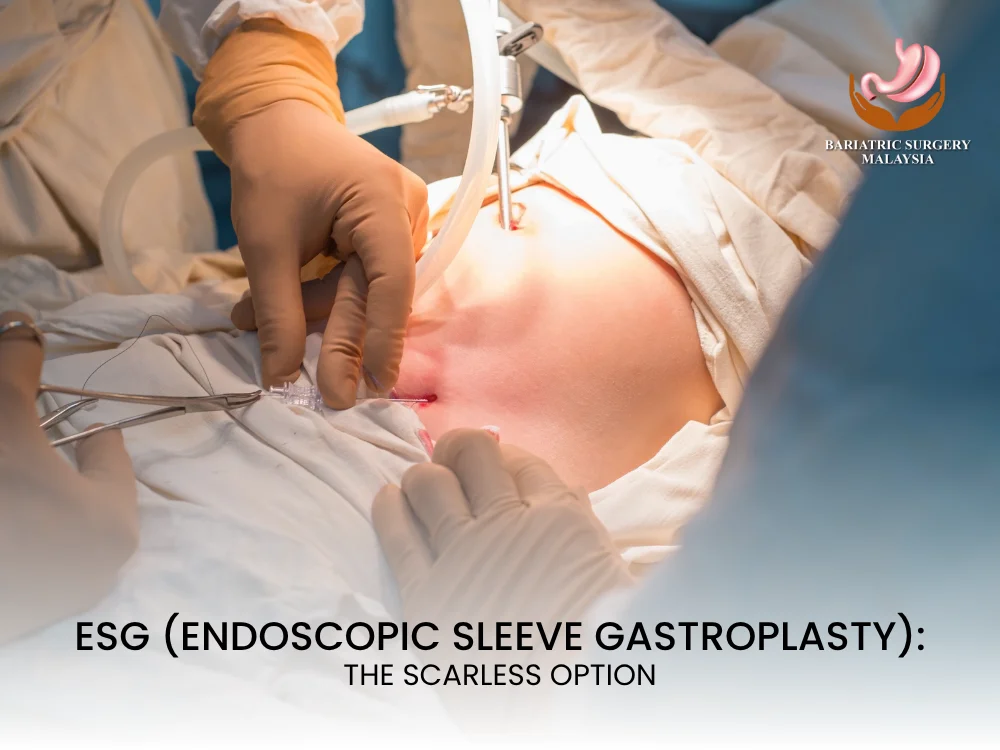
ESG vs Traditional Bariatric Surgery
Traditional bariatric procedures such as Sleeve Gastrectomy and Roux-en-Y Gastric Bypass involve surgical incisions and permanent changes to the digestive system.
ESG, however, offers several distinct differences.
Key Differences
Invasiveness
- ESG: Non-surgical, endoscopic procedure
- Traditional surgery: Requires abdominal incisions
Recovery time
- ESG: Typically 1–3 days recovery
- Surgery: Several weeks of recovery
Hospital stay
- ESG: Often outpatient or overnight
- Surgery: Usually requires longer hospitalization
Because of these differences, ESG is considered a less invasive alternative for weight management.
Who Is a Good Candidate for ESG Scarless Bariatric?
Not everyone is suitable for the procedure. Doctors carefully evaluate patients before recommending ESG.
Typical candidates include individuals who:
- Have a Body Mass Index (BMI) between 30 and 40
- Struggle to lose weight through diet and exercise
- Prefer a minimally invasive weight loss treatment
- Are not ready for traditional bariatric surgery
Patients with severe obesity or certain medical conditions may still require more comprehensive procedures like Sleeve Gastrectomy.
Benefits of ESG Scarless Bariatric Treatment
ESG offers several advantages that make it attractive to many patients.
No Surgical Incisions
Because the procedure is performed through the mouth, patients avoid visible scars and surgical wounds.
Faster Recovery
Most patients can return to normal activities within a few days.
This is significantly faster compared to traditional bariatric surgery.
Lower Risk of Complications
While all medical procedures carry risks, ESG generally has fewer complications than surgical procedures.
Effective Weight Loss
Studies show patients may lose 15–20% of total body weight within the first year after ESG.
This level of weight loss can significantly improve overall health.
Health Benefits of ESG Weight Loss
Weight loss achieved through ESG can lead to improvements in several obesity-related conditions.
These may include:
- Type 2 Diabetes
- Hypertension
- Obstructive Sleep Apnea
- Fatty Liver Disease
By reducing body weight, ESG may also improve energy levels and overall quality of life.
What Happens During the ESG Scarless Bariatric Procedure?
The ESG procedure is usually performed under general anesthesia.
The steps typically include:
- The patient is sedated for comfort.
- A flexible endoscope is inserted through the mouth into the stomach.
- The doctor uses a suturing device to fold and stitch the stomach walls.
- The stomach volume is reduced without removing any tissue.
The entire procedure usually takes 60–90 minutes.
Most patients can go home the same day or after a short observation period.
Recovery After ESG Scarless Bariatric
Recovery from ESG is generally faster and less intensive compared to traditional bariatric surgery, as the procedure is minimally invasive and does not involve external incisions. Most patients can return home within the same day or after a short observation period.
In the first few days after the procedure, it is common to experience mild and temporary symptoms such as:
- Nausea
- Abdominal discomfort or cramping
- Temporary fatigue
These symptoms are part of the body’s natural adjustment process and typically improve within a few days with proper rest, hydration, and prescribed medications.
Gradual Diet Progression
A structured dietary plan is essential to allow the stomach to heal and adapt to its new size. Doctors usually recommend progressing through stages:
- Stage 1: Liquid diet
Patients begin with clear liquids such as water, broth, and sugar-free drinks. This stage helps minimize strain on the stomach. - Stage 2: Soft foods
Pureed or soft-textured foods are gradually introduced. These are easier to digest and help the body transition back to solid intake. - Stage 3: Regular healthy meals
Patients slowly return to solid foods, focusing on balanced, portion-controlled meals that support long-term weight management.
Importance of Aftercare
Adhering to post-procedure guidelines plays a major role in recovery and long-term success. Patients are typically advised to:
- Eat slowly and chew thoroughly
- Stay well-hydrated throughout the day
- Avoid overeating to prevent discomfort
- Follow up regularly with their healthcare provider
By following the recommended diet and lifestyle changes, most patients recover smoothly and begin to see gradual, sustainable weight loss over time.
Lifestyle Changes After ESG Scarless Bariatric
Like all weight loss procedures, ESG works best when combined with consistent, long-term lifestyle changes. While the procedure helps reduce stomach capacity and control portion sizes, maintaining results depends largely on daily habits and choices.
Building Healthy Eating Habits
Patients are encouraged to adopt a more mindful and structured approach to eating:
- Eat smaller, balanced meals
Portion control becomes essential after ESG. Eating smaller meals more frequently helps prevent discomfort and supports steady weight loss. - Increase protein intake
Protein plays a key role in preserving muscle mass and promoting satiety. Lean sources such as chicken, fish, eggs, and legumes are commonly recommended. - Limit high-calorie and processed foods
Reducing sugary drinks, fried foods, and refined carbohydrates helps maximize the benefits of the procedure. - Eat slowly and mindfully
Taking time to chew food thoroughly can improve digestion and help patients recognize fullness cues earlier.
Staying Physically Active
Regular physical activity is crucial for both weight loss and overall health:
- Start gradually
Light activities such as walking can begin soon after recovery. - Progress to structured exercise
Incorporating a mix of cardio and strength training helps improve metabolism and maintain lean body mass. - Aim for consistency
Sustainable routines are more effective than short-term intense workouts.
Ongoing Medical and Nutritional Support
Follow-up care plays a vital role in long-term success:
- Attend regular follow-up appointments
These visits allow healthcare providers to monitor progress and address any concerns. - Work with nutrition specialists
Dietitians can provide personalized meal plans and help patients stay on track. - Monitor progress and adjust habits
Weight loss journeys can vary, so adjustments may be needed over time.
Long-Term Commitment
ESG is a powerful tool that supports weight loss, but it does not replace healthy living. Patients who achieve the best outcomes are those who commit to long-term lifestyle changes, including proper nutrition, regular exercise, and ongoing medical guidance.
By combining ESG with these habits, individuals can achieve sustainable weight loss and improved overall well-being.
Risks and Limitations of ESG
Although ESG is considered safe, potential risks include:
- Nausea or vomiting
- Temporary abdominal pain
- Rare complications such as bleeding
Additionally, ESG may produce slightly less weight loss compared to surgical bariatric procedures.
However, many patients prefer ESG because of its lower invasiveness and faster recovery.
Frequently Asked Questions (FAQs)
1. What is ESG scarless bariatric treatment?
It refers to Endoscopic Sleeve Gastroplasty, a minimally invasive procedure that reduces stomach size without external incisions.
2. How much weight can you lose after ESG?
Patients may lose around 15–20% of total body weight within the first year.
3. Is ESG permanent?
The stomach sutures are designed to be durable, but long-term results depend on lifestyle changes.
4. Is ESG safer than bariatric surgery?
ESG generally has fewer risks than surgical procedures because it does not involve abdominal incisions.
5. Who should consider ESG?
Individuals with a BMI between 30 and 40 who struggle with weight loss may be suitable candidates.
6. Does ESG leave scars?
No. ESG is performed internally using an endoscope, so there are no external scars.
7. How long does the ESG procedure take?
The procedure typically takes about 60 to 90 minutes.
8. How long is the recovery period?
Most patients can resume normal activities within a few days.
9. Can ESG improve health conditions?
Yes. Weight loss from ESG may improve conditions such as Type 2 Diabetes and Hypertension.
10. Is ESG reversible?
In some cases, the sutures can be adjusted or revised, but patients should discuss long-term expectations with their doctor.
Conclusion
For individuals seeking a less invasive approach to weight loss, ESG scarless bariatric treatment offers an exciting alternative to traditional surgery. By reducing stomach size without external incisions, Endoscopic Sleeve Gastroplasty allows patients to achieve meaningful weight loss with shorter recovery times.
While it may not replace conventional procedures like Sleeve Gastrectomy for severe obesity, ESG provides an effective option for many patients who want a minimally invasive solution.
As with any medical procedure, consultation with an experienced bariatric specialist is essential to determine whether ESG is the right choice.