

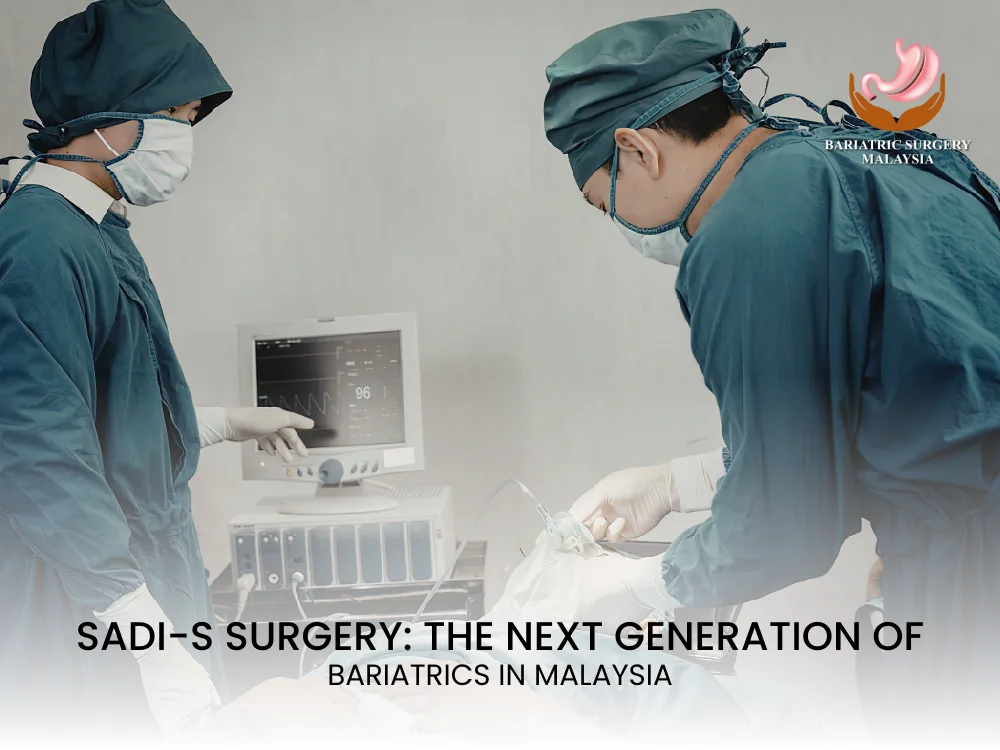
Obesity has become a growing health concern worldwide, including in Malaysia. Many individuals struggling with severe obesity find it difficult to achieve sustainable weight loss through diet and exercise alone. This is where modern metabolic procedures such as SADI-S Surgery are gaining attention.
SADI-S Surgery is considered one of the newest advancements in bariatric procedures, combining powerful weight-loss results with a simplified surgical technique. In Malaysia, this procedure is increasingly offered in specialized bariatric centers to help patients achieve long-term weight control and improve obesity-related health conditions.
Understanding how SADI-S works, who qualifies for it, and what results to expect can help patients make informed decisions about their treatment options.
What Is SADI-S Surgery?
SADI-S Surgery stands for Single Anastomosis Duodeno–Ileal Bypass with Sleeve, an advanced metabolic procedure designed to treat severe obesity and related diseases.
This surgery is a modification of Duodenal Switch Surgery, but with a simpler and safer structure involving only one intestinal connection.
The procedure combines two major weight-loss mechanisms:
- A Sleeve Gastrectomy to reduce stomach size
- A bypass of part of the small intestine to limit calorie absorption
By combining restriction and malabsorption, SADI-S Surgery can produce significant and long-lasting weight loss while improving metabolic health.
How SADI-S Surgery Works
The procedure involves two main surgical steps.
Step 1: Sleeve Gastrectomy
First, surgeons perform Sleeve Gastrectomy, removing approximately 70–80% of the stomach.
This creates a narrow tube-shaped stomach that:
- Reduces food intake
- Decreases hunger hormones
- Promotes earlier satiety
Step 2: Intestinal Bypass
Next, the surgeon connects the first part of the small intestine (duodenum) to a lower portion of the intestine called the ileum.
This single connection, known as anastomosis, allows food to bypass a large section of the digestive tract.
As a result:
- Fewer calories are absorbed
- Fat absorption is reduced
- Metabolism improves
This combination makes SADI-S Surgery one of the most effective bariatric procedures for severe obesity.
Why SADI-S Is Considered a Next-Generation Bariatric Surgery
Many bariatric surgeons consider SADI-S Surgery a next-generation procedure because it simplifies traditional Duodenal Switch Surgery while maintaining strong weight-loss results.
The traditional duodenal switch requires two intestinal connections, which increases surgical complexity.
SADI-S, however, uses only one intestinal connection, which can offer several advantages:
- Shorter surgical time
- Lower complication risk
- Simpler anatomy
- Comparable weight loss outcomes
This innovation has made the procedure increasingly popular in modern bariatric practice.
Who Is a Good Candidate for SADI-S Surgery?
Not everyone qualifies for bariatric surgery, and a thorough medical evaluation is always required before undergoing SADI-S surgery. Doctors typically assess several factors including body weight, overall health, previous weight-loss attempts, and the presence of obesity-related conditions before recommending this procedure.
In general, SADI-S surgery is considered for individuals who struggle with severe or medically complicated obesity and have not achieved sustainable weight loss through conventional methods such as diet, exercise, or medication.
Severe Obesity
One of the main criteria for SADI-S surgery is severe obesity. Candidates often have a Body Mass Index (BMI) of 40 or higher, which is classified as Class III obesity. At this level, excess body weight significantly increases the risk of serious health complications.
For many individuals with severe obesity, long-term weight loss through lifestyle changes alone can be extremely difficult. Bariatric surgery may therefore be recommended as a medical treatment option rather than a cosmetic procedure.
BMI Above 35 with Obesity-Related Conditions
Patients with a BMI above 35 may also qualify if they suffer from serious health conditions linked to obesity. These medical issues can greatly impact quality of life and may worsen over time if weight is not effectively managed.
Common obesity-related conditions that may make someone eligible for SADI-S surgery include:
Type 2 Diabetes
Hypertension
Obstructive Sleep Apnea
Nonalcoholic Fatty Liver Disease
When obesity contributes to these conditions, bariatric procedures like SADI-S can help reduce disease severity by promoting significant and sustained weight loss.
Difficulty Losing Weight Through Conventional Methods
Another key factor doctors consider is a history of unsuccessful weight-loss attempts. Many candidates have tried structured diet plans, regular exercise programs, and medical weight management without achieving lasting results.
SADI-S surgery is generally recommended for individuals who:
Have struggled with obesity for many years
Have repeatedly regained weight after dieting
Are unable to maintain meaningful weight loss through lifestyle changes alone
In these cases, surgery may provide the metabolic and hormonal changes needed to support long-term weight control.
Potential Benefits for Metabolic Health
Beyond weight reduction, SADI-S surgery can also provide major improvements in metabolic health. The procedure alters how food moves through the digestive system and can lead to improved insulin sensitivity and hormonal regulation.
As a result, many patients experience significant improvement or even remission of conditions such as Type 2 Diabetes, high blood pressure, and sleep apnea after surgery.
However, suitability for SADI-S surgery ultimately depends on a comprehensive medical assessment. Doctors will evaluate a patient’s overall health, nutritional status, psychological readiness, and commitment to long-term lifestyle changes before recommending this advanced bariatric procedure.
Benefits of SADI-S Surgery
Patients and doctors often choose SADI-S Surgery because of its strong metabolic and weight-loss outcomes.
Significant Weight Loss
Patients may lose 70–90% of excess body weight over time.
Improved Metabolic Health
The procedure has shown excellent results in improving Type 2 Diabetes and insulin resistance.
Many patients experience reduced reliance on diabetes medications.
Reduced Hunger Hormones
Because the surgery includes Sleeve Gastrectomy, it reduces the hormone ghrelin, which triggers hunger.
This helps patients maintain smaller meal portions.
Long-Term Weight Maintenance
Compared to some other procedures, SADI-S has a lower risk of significant weight regain.
Recovery After SADI-S Surgery
Recovery from SADI-S Surgery typically involves several stages.
Hospital Stay
Most patients remain in the hospital for 2 to 3 days after surgery.
Diet Progression
Patients follow a structured diet plan that gradually progresses through several phases:
- Liquid diet
- Pureed foods
- Soft foods
- Solid foods
This process usually takes several weeks.
Physical Recovery
Light physical activity is encouraged after surgery to promote healing and circulation.
Most patients return to work within 2 to 4 weeks, depending on their recovery progress.
Potential Risks and Considerations
Although SADI-S Surgery is generally safe when performed by experienced surgeons, it is still a major operation.
Possible risks include:
- Nutritional deficiencies
- Digestive changes
- Vitamin deficiencies
- Surgical complications
Because part of the intestine is bypassed, patients must take lifelong vitamin and mineral supplements.
Regular medical follow-ups are essential to maintain long-term health.
SADI-S Surgery vs Other Bariatric Procedures
Patients often compare SADI-S Surgery with other common bariatric procedures.
Gastric Bypass
Gastric Bypass Surgery involves creating a small stomach pouch and rerouting the intestines.
While effective, it involves more complex intestinal rerouting compared to SADI-S.
Sleeve Gastrectomy
Sleeve Gastrectomy reduces stomach size but does not bypass the intestines.
Weight loss results may be slightly lower compared to SADI-S.
Duodenal Switch
Duodenal Switch Surgery is very effective but more technically complex due to two intestinal connections.
SADI-S simplifies this technique while delivering similar outcomes.
Availability of SADI-S Surgery in Malaysia
Malaysia has become an emerging hub for bariatric procedures in Southeast Asia.
Specialized bariatric surgeons in cities like:
- Kuala Lumpur
- Petaling Jaya
- Penang
offer advanced metabolic procedures including SADI-S Surgery.
Many hospitals now provide multidisciplinary programs involving surgeons, dietitians, and psychologists to support long-term weight management.
Long-Term Lifestyle Changes After Surgery
Bariatric surgery is only one part of the weight-loss journey.
Patients must commit to long-term lifestyle changes, including:
- Balanced nutrition
- Regular physical activity
- Vitamin supplementation
- Routine medical monitoring
These habits help ensure sustainable weight loss and optimal health outcomes.
FAQs About SADI-S Surgery
1. What does SADI-S stand for?
SADI-S stands for Single Anastomosis Duodeno–Ileal Bypass with Sleeve, a modern bariatric surgery technique.
2. How much weight can I lose after SADI-S surgery?
Many patients lose 70–90% of their excess body weight over several years.
3. Is SADI-S surgery permanent?
Yes, the anatomical changes made during surgery are permanent.
4. How long does the surgery take?
The procedure typically takes 2 to 3 hours, depending on the patient and surgical complexity.
5. Is SADI-S better than gastric bypass?
Both procedures are effective. However, SADI-S Surgery may produce greater long-term weight loss in some patients.
6. Will SADI-S cure diabetes?
Many patients experience significant improvement or remission of Type 2 Diabetes after surgery.
7. Are vitamin supplements required after SADI-S?
Yes, lifelong vitamin and mineral supplementation is usually necessary.
8. Is SADI-S surgery safe?
When performed by experienced bariatric surgeons, the procedure is considered safe with manageable risks.
9. How soon can I return to work?
Most patients return to work within 2 to 4 weeks.
10. Is SADI-S available in Malaysia?
Yes, several bariatric centers in Malaysia offer this advanced metabolic procedure.
Conclusion
As obesity rates continue to rise globally, innovative surgical solutions are becoming increasingly important. SADI-S Surgery represents a major advancement in bariatric treatment by combining powerful weight-loss results with a simplified surgical approach.
For individuals struggling with severe obesity and related health conditions, this next-generation procedure may provide long-term weight control and improved metabolic health.
However, successful outcomes depend not only on surgery but also on a patient’s commitment to healthy lifestyle changes and ongoing medical follow-up.
Consulting a qualified bariatric specialist can help determine whether SADI-S Surgery is the right option for your weight-loss journey.