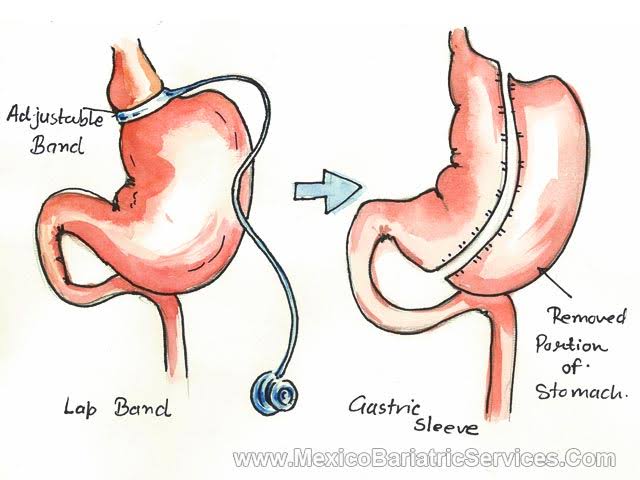

Regain control of your weight loss journey with revisional bariatric surgery. If your previous weight loss surgery has not delivered the expected results, or if you have experienced weight regain or complications, revisional bariatric surgery may help you achieve better long-term outcomes.
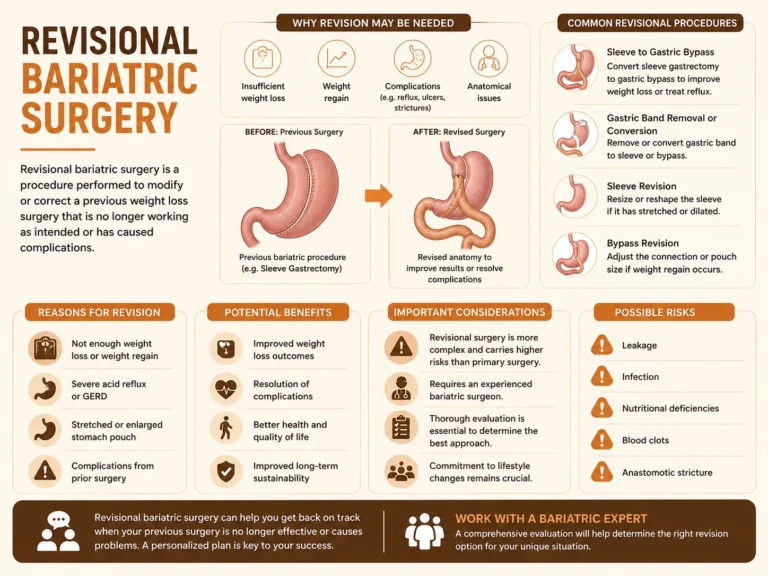
Revisional bariatric surgery is a secondary procedure performed to modify, repair, or convert a previous bariatric surgery. It is commonly recommended for patients who have experienced inadequate weight loss, weight regain, or complications following their initial weight loss procedure.
The aim is to improve weight management, enhance metabolic health, and address issues that may affect the success of the original surgery.
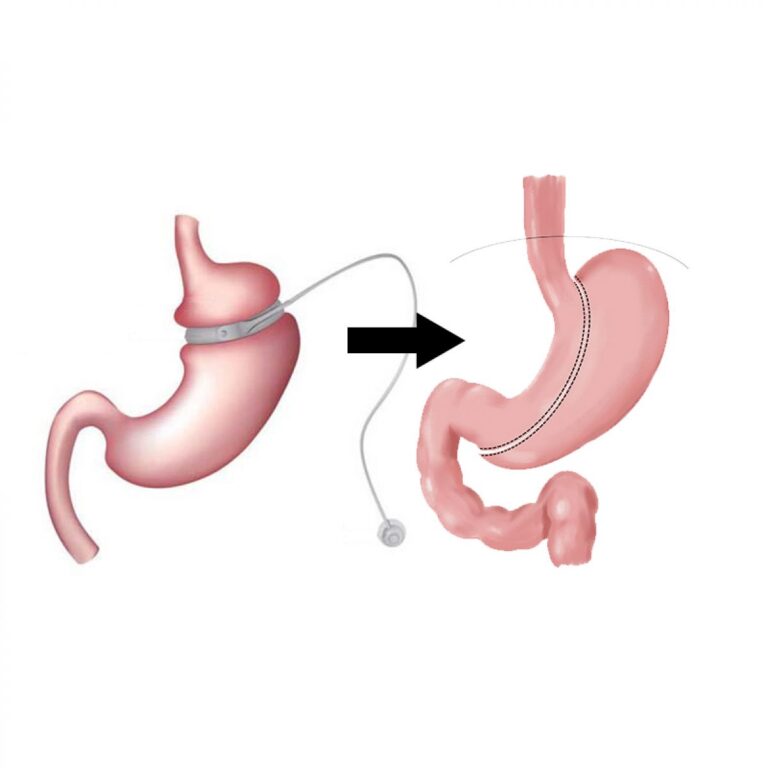
Revisional bariatric surgery works by correcting or altering the existing bariatric procedure. Depending on the patient’s condition, the surgeon may reduce stomach capacity further, revise the digestive tract, or convert one type of bariatric surgery into another.
Each treatment plan is tailored to the patient’s anatomy, medical history, and weight loss goals.
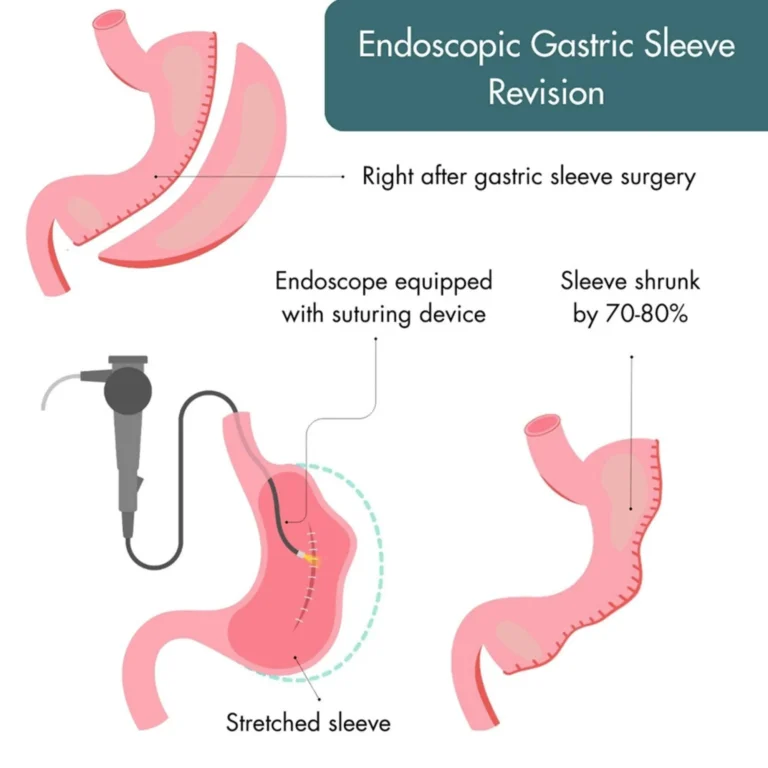
Revisional bariatric surgery can help patients restart their weight loss journey and improve long-term results. Many patients experience better control of obesity-related conditions such as type 2 diabetes, hypertension, sleep apnea, and high cholesterol.
The procedure may also correct complications from previous surgery, improve quality of life, and support sustainable weight management.
The surgeon reviews your medical history, previous bariatric procedure, weight changes, and overall health to determine whether revisional surgery is appropriate.
Investigations such as blood tests, imaging studies, and endoscopy may be performed to evaluate the current anatomy of the stomach and digestive system.
A personalized surgical plan is developed based on the findings, treatment goals, and type of previous bariatric surgery.
The procedure is performed under general anesthesia. The surgeon modifies, repairs, or converts the existing bariatric procedure to improve weight loss outcomes.
Regular follow-up appointments, nutritional counselling, and lifestyle guidance help support recovery and long-term success.
Patients who have experienced significant weight regain, insufficient weight loss, or complications after a previous bariatric procedure may be suitable candidates for revisional surgery.
Common reasons include weight regain, inadequate weight loss, severe acid reflux, anatomical changes, or complications related to the original procedure.
Revisional bariatric surgery is generally safe when performed by an experienced bariatric surgeon. However, as with any surgery, risks and potential complications should be discussed during consultation.
Results vary depending on the procedure performed, starting weight, lifestyle habits, and commitment to long-term follow-up care.
Most patients can return to normal daily activities within a few weeks, although recovery time may vary based on the complexity of the procedure and individual healing.