
10 Cara Menurunkan Berat Badan Dengan Berkesan & Selamat
Cara Menurunkan Berat Badan: Kaedah Terbukti Cara menurunkan berat badan paling berkesan ialah defisit kalori konsisten. Bakar lebih kalori dari makan. Sasaran sihat 0.5-1kg seminggu. Turun 5-10% berat asal sudah beri manfaat kesihatan besar. Pilihan termasuk diet, senaman, ubat, dan pembedahan bariatrik untuk kes obes teruk. Formula Asas Cara Menurunkan Berat Badan Komponen Formula Contoh Defisit Kalori Kalori masuk < Kalori keluar Makan 1500, bakar 2000 = defisit 500 1kg Lemak 7700 kalori defisit 500 kalori defisit/hari = 1kg/15 hari BMR Lelaki: 10x berat + 6.25x tinggi – 5x umur + 5 70kg, 170cm, 30thn = 1640 kalori BMR Wanita: 10x berat + 6.25x tinggi – 5x umur – 161 60kg, 160cm, 30thn = 1320 kalori TDEE BMR x Faktor Aktiviti 1.2-1.9 1640 x 1.4 = 2296 kalori/hari Cara Menurunkan Berat Badan Melalui Diet Kaedah Diet Cara Buat Turun Berat Defisit 500 kalori TDEE – 500 kalori/hari 0.5kg/minggu Suku-suku separuh ¼ karbo, ¼ protein, ½ sayur Kawal portion automatik Intermittent Fasting 16:8 Puasa 16 jam, makan 8 jam Kurang 300-500 kalori/hari Protein tinggi 1.6-2.2g/kg berat badan Kenyang lama, jaga otot Serat tinggi 25-30g/hari dari sayur, buah Lambat lapar, kawal gula Senaman untuk Cara Menurunkan Berat Badan Jenis Senaman Bakar Kalori/30 min Kesan Kardio LISS Jalan laju 150-200 kalori Bakar lemak, mudah konsisten Kardio HIIT 300-400 kalori + afterburn Jimat masa, naik metabolik Latihan beban 200-300 kalori Bina otot, BMR naik kekal NEAT Naik tangga, jalan kaki 300-800 kalori/hari tanpa sedar Kombinasi HIIT 2x + beban 3x seminggu Turun lemak maksima, jaga otot Ubat dan Pembedahan Bariatrik untuk Turunkan Berat Badan Kaedah Kriteria Turun Berat Nota Ubat Orlistat BMI ≥28 dengan komorbid 5-10% dalam 6-12 bulan Sekat serap lemak, preskripsi doktor Ubat Semaglutide BMI ≥30 atau ≥27 + penyakit 15-20% dalam 68 minggu Cucuk mingguan, tiru hormon kenyang Gastric Sleeve BMI ≥37.5 atau ≥32.5 + diabetes 60-70% lebihan berat 1-2 tahun Buang 80% perut, lapar kurang Gastric Bypass BMI ≥37.5 atau ≥32.5 + komorbid 70-80% lebihan berat 1-2 tahun Lenkung usus, serap kalori kurang Gastric Balloon BMI 27-35, tak mahu bedah 10-15% berat 6 bulan Belon dalam perut 6 bulan, sementara Syarat bariatrik KKM: Gagal diet + senaman 6 bulan, umur 18-65, tiada masalah psikiatri tak terkawal. Perlu komit diet seumur hidup lepas bedah. Petua Cara Menurunkan Berat Badan Cepat dan Selamat Air kosong: 2-3L/hari. Minum 500ml sebelum makan kurang 13% kalori Tidur cukup: 7-8 jam. Kurang tidur naik hormon lapar ghrelin 24% Catat makan: Aplikasi MyFitnessPal. Sedar kalori turun 2x ganda cepat Elak gula: Air manis = 150-300 kalori kosong. Potong terus turun 0.5kg/minggu Meal prep: Masak siap-siap elak beli luar tinggi kalori Kesilapan Cara Menurunkan Berat Badan Kesilapan Akibat Betulkan Diet terlalu ekstrem <1200 kalori, otot hilang, yo-yo Defisit 500 saja, cukup protein Skip sarapan Lapar teruk petang, makan lebih Sarapan protein tinggi Kardio sahaja Otot susut, metabolik jatuh Tambah latihan beban Timbang hari-hari Stres, berat air naik turun Timbang 1x/minggu pagi Target tak realistik Kecewa, putus asa 0.5-1kg/minggu sahaja Fakta utama: 95% orang naik balik berat sebab diet tak tahan lama. Kunci turun kekal ialah gaya hidup bukan diet sementara. 80% diet, 20% senaman. Pembedahan bariatrik untuk BMI ≥37.5 atau ≥32.5 dengan penyakit. Turun 60-80% lebihan berat, diabetes pulih 80% kes. Soalan Lazim Cara Menurunkan Berat Badan Berapa kg boleh turun dalam sebulan? Turun berat sihat 2-4kg sebulan dengan defisit 500-1000 kalori/hari. Turun >4kg selalunya air dan otot, bukan lemak. Pembedahan bariatrik turun 8-12kg bulan pertama, kemudian 4-6kg/bulan. Kenapa berat tak turun walau dah diet? Berat tak turun sebab kalori masuk masih sama dengan keluar, stres naik kortisol, kurang tidur, atau otot naik. Jika BMI ≥37.5 dan gagal diet 6 bulan, pertimbang rujuk pakar bariatrik. Siapa layak buat pembedahan bariatrik? Layak jika BMI ≥37.5, atau BMI ≥32.5 dengan diabetes, darah tinggi, apnea tidur. Mesti cuba diet senaman 6 bulan dahulu. Umur 18-65, faham risiko, komit diet seumur hidup lepas bedah. Apa risiko pembedahan bariatrik? Risiko bariatrik: bocor jahitan 1-2%, darah beku, jangkitan, kekurangan vitamin B12/zat besi seumur hidup. Kematian <0.3%. Manfaat: 80% diabetes pulih, hayat panjang 6-9 tahun. Perlu ke ambil pil kurus untuk turun berat? Tak perlu pil kurus tak lulus KKM. Ubat lulus doktor seperti Orlistat atau Semaglutide bantu 5-20% turun berat. Defisit kalori + senaman asas utama. Ubat dan bariatrik untuk obes teruk gagal cara biasa.
Lap Band Surgery: How Adjustable Gastric Banding Works in Malaysia
Are you exploring weight loss surgery options that don’t involve permanent stomach removal? In Malaysia, the lap band remains a notable choice for those seeking a less invasive, adjustable path. This guide covers everything from the procedure itself to the local costs in our private healthcare sector. What Is Lap Band Surgery? Definition of Adjustable Gastric Band An adjustable gastric band, commonly known as a lap band, is a type of restrictive bariatric surgery. It involves placing a silicone ring around the upper part of the stomach. Unlike a sleeve or bypass, it doesn’t involve cutting or stapling the stomach tissue, making it a unique “hardware-based” solution. How Lap Band Surgery Works The band creates a small upper pouch, limiting the amount of food you can hold. Because the opening to the rest of the stomach is narrowed, food empties slowly. This induces early satiety—feeling full faster—which helps you naturally reduce your daily caloric intake without feeling constant hunger. Who Is Suitable for Lap Band Surgery? BMI Eligibility Criteria In Malaysia, eligibility follows the MOH clinical practice guidelines for obesity. Generally, a Body Mass Index (BMI) of 35 or higher is required. However, if you have obesity-related illnesses like hypertension, you may qualify with a BMI as low as 32.5. Medical Suitability for Surgery This procedure is ideal for patients who prefer a reversible option or those who may not be healthy enough for longer, more complex surgeries. However, it requires high discipline. Candidates must be willing to attend frequent follow-ups for band adjustments and strictly adhere to new eating behaviors. How Lap Band Surgery Is Done Laparoscopic Band Placement Surgeons perform the procedure using a laparoscopic approach, which involves small “keyhole” incisions. A camera guides the surgeon to wrap the silicone band around the top of the stomach. This minimally invasive technique ensures less scarring and a much faster return to daily activities. Adjustable Band Mechanism The band is connected to a small access port placed under the skin of your abdomen. By injecting or removing saline through this port, your doctor can tighten or loosen the band. This customized restriction allows the weight loss pace to be tailored to your specific needs over time. Benefits of Lap Band Surgery Controlled Weight Loss Weight loss with a lap band is typically more gradual than other methods, which some patients prefer. On average, users can expect to lose about 40% to 50% of their excess body weight over two years. This steady pace can sometimes help the skin adjust better than rapid loss. Reversible Procedure A major selling point is that it is fully reversible. If a patient experiences complications or successfully reaches their goal and wants the device removed, the stomach can be restored to its original state. This provides a “safety net” that permanent procedures like the gastric sleeve cannot offer. Feature Lap Band Gastric Sleeve Stomach Cutting No Yes (Permanent) Adjustability Yes No Reversibility Fully Reversible Irreversible Weight Loss Speed Gradual Rapid Risks of Lap Band Surgery Short-Term Surgical Risks While generally safe, immediate risks include infection at the port site, blood clots, or adverse reactions to anesthesia. Because it is a shorter operation—usually under an hour—the surgical mortality rate is incredibly low, often cited at less than 0.05% globally. Long-Term Complications Long-term issues are more common with bands than other surgeries. These include band slippage, where the band moves out of place, or “erosion” into the stomach wall. Some patients also experience esophageal dilation or chronic acid reflux if the band is kept too tight for too long. Recovery After Lap Band Surgery Recovery Timeline The recovery is impressively swift. Most patients leave the hospital within 24 hours. You can usually return to a desk job within 3 to 7 days. While the incisions heal quickly, the internal adjustment to the band takes about six weeks before the first “fill” or adjustment occurs. Diet and Lifestyle Changes Post-op life requires a “soft food” transition for several weeks. Once healed, the “Golden Rule” is chewing food thoroughly—at least 20 times per bite. Since the opening is small, large chunks of meat or bread can cause “sticking” episodes, leading to discomfort or vomiting. Lap Band Surgery Cost in Malaysia Average Price Range In Malaysian private hospitals, the cost of lap band surgery typically ranges from RM 25,000 to RM 35,000. While the initial surgery is often cheaper than a bypass, remember to budget for the cost of future band adjustments, which are necessary for the device to work effectively. Cost Factors Prices vary based on the hospital’s location and the brand of the band used (such as the LAP-BAND® System). Costs usually include the surgeon’s fee, anesthesia, and the device itself. Some patients utilize medical insurance or EPF withdrawals, though coverage for bariatric procedures varies by policy. FAQs About Lap Band Surgery Is Lap Band Surgery Reversible? Yes, it is 100% reversible. The band can be surgically removed, and the stomach will generally return to its original shape and function. However, removing the band usually results in the patient regaining the weight unless permanent lifestyle habits were firmly established. How Much Weight Can Be Lost? Most patients lose about 15% to 25% of their total body weight. According to The Lancet, success depends heavily on the frequency of follow-up adjustments and the patient’s commitment to a low-calorie, high-protein diet and regular physical activity. Is Lap Band Surgery Safe? It is considered one of the safest bariatric procedures in terms of immediate surgical complications. However, because it involves a “foreign object” in the body, it has a higher long-term re-operation rate compared to other surgeries. Consult with a specialist bariatric surgeon to weigh these risks. How Long Is Recovery? You will feel mostly normal within a week. Full internal healing takes about 4 to 6 weeks. During this time, you must follow a strict liquid-to-solid diet progression to allow the band to “seat” properly against the stomach wall without being displaced by solid food. Does the Lap Band
Gastric Bypass Surgery: Procedure, Benefits & Risks in Malaysia
Struggling to reach a healthy weight despite endless diets? In Malaysia, weight loss surgery has become a gold standard for long-term obesity management. Among these options, the gastric bypass stands out as a powerful “gold standard” procedure that offers significant metabolic benefits and life-changing results. What Is Gastric Bypass Surgery? Definition of Roux-en-Y Gastric Bypass The Roux-en-Y Gastric Bypass (RYGB) is a surgical weight loss procedure that creates a small stomach pouch and reroutes the digestive tract. It is the most common bypass method worldwide. Surgeons use staples to divide the stomach, effectively “bypassing” the rest of the organ and the first part of the small intestine. How Gastric Bypass Works for Weight Loss This procedure works through restriction and malabsorption. By shrinking the stomach to the size of an egg, it restricts food intake. Additionally, rerouting the intestines reduces calorie absorption. Hormonal shifts also occur, lowering hunger signals and improving blood sugar regulation—crucial for metabolic health improvement. Who Is Suitable for Gastric Bypass? BMI Requirements and Eligibility Criteria In Malaysia, eligibility follows the Asian BMI thresholds, which are lower than Western standards due to higher metabolic risks. Generally, you qualify if your Body Mass Index (BMI) is $ge 37.5$ without conditions, or $ge 32.5$ if you suffer from weight-related health issues like diabetes or hypertension. Medical Conditions That Qualify for Surgery Beyond BMI, certain “comorbidities” make you a prime candidate. If you have severe Type 2 Diabetes, obstructive sleep apnea, or non-alcoholic fatty liver disease (NAFLD), a bypass is often recommended. It is especially effective for patients with chronic acid reflux (GERD) who may not suit a gastric sleeve. How Gastric Bypass Surgery Is Performed Laparoscopic Surgical Procedure Modern bypasses are performed using a laparoscopic approach. Instead of a large open incision, surgeons make 4–5 tiny “keyhole” cuts. A camera and specialized tools are used, which significantly reduces post-operative pain and shortens your hospital stay compared to traditional open surgery methods. Stomach and Intestine Reconfiguration Process First, the surgeon staples the upper stomach into a small pouch. Next, they divide the small intestine, attaching the lower part (the Roux limb) directly to the new pouch. The remaining stomach and upper intestine are reattached further down, creating a “Y” shape where digestive juices eventually meet food. Benefits of Gastric Bypass Significant Long-Term Weight Loss Patients typically lose 60% to 80% of their excess body weight within the first 12 to 18 months. Because of the malabsorptive component, the bypass often results in more profound long-term weight maintenance compared to purely restrictive procedures, helping patients stay at their goal weight for years. Improvement in Obesity-Related Diseases The impact on health is dramatic. According to research in The Lancet, gastric bypass is exceptionally effective at putting Type 2 Diabetes into remission. It also significantly lowers blood pressure and cholesterol, reducing the overall risk of heart disease and stroke for Malaysian patients. Condition Remission/Improvement Rate Type 2 Diabetes 80% – 85% Sleep Apnea 75% – 90% Hypertension 60% – 70% Risks and Side Effects of Gastric Bypass Short-Term Surgical Risks Like any major operation, there are risks such as infection, blood clots, or anastomotic leaks at the connection sites. Though rare (occurring in less than 1–2% of cases), these require immediate medical attention. Choosing a highly experienced bariatric surgeon in Malaysia helps minimize these surgical complications. Long-Term Nutritional Deficiencies Because the body bypasses the section where most vitamins are absorbed, nutritional deficiencies are a concern. You may experience low levels of Vitamin B12, iron, and calcium. Another side effect is Dumping Syndrome, which causes nausea or dizziness if you consume high-sugar or high-fat foods too quickly. Recovery After Gastric Bypass Recovery Timeline After Surgery Expect to stay in the hospital for 2 to 3 days for monitoring. Most Malaysians return to light desk work within 2 weeks. However, you must avoid heavy lifting or strenuous exercise for at least 6 weeks to ensure the internal connections (anastomoses) have healed securely. Post-Surgery Diet Progression Your new stomach requires a slow transition to solid food: Stage 1 (Days 1–7): Clear liquids (water, broth). Stage 2 (Weeks 2–3): Full liquids and pureed foods. Stage 3 (Weeks 4–5): Soft foods like eggs and steamed fish. Stage 4 (Week 6+): Solid, high-protein meals in small portions. Gastric Bypass Cost in Malaysia Average Price Range In Malaysian private hospitals, a gastric bypass typically costs between RM 35,000 and RM 55,000. While more expensive than a gastric sleeve due to surgical complexity and specialized equipment, it remains highly competitive compared to international prices in Singapore or Western countries. Factors Affecting Surgery Cost The total bill varies based on the hospital’s location (e.g., Kuala Lumpur vs. Penang), the surgeon’s experience, and the duration of the hospital stay. Consumables, such as the high-tech stapling devices and anesthesia fees, also contribute. Some patients may use EPF Account 2 withdrawals for medical expenses. FAQs About Gastric Bypass Is Gastric Bypass Permanent? Yes, it is considered a permanent surgical change. While it can technically be reversed in extreme medical emergencies, the procedure is designed to be a lifelong tool. This permanence is a key factor in its high success rate for long-term weight control. How Much Weight Can Be Lost? Most patients lose about 30% to 40% of their total body weight. For a person weighing 100kg, this equals a loss of 30kg to 40kg. Success depends on following a clinically supervised nutritional plan and incorporating regular physical activity. Is Gastric Bypass Safe? Yes, when performed by a credentialed team. The mortality rate is approximately 0.2%, which is comparable to common surgeries like gallbladder removal. For most obese patients, the health risks of not having surgery far outweigh the risks of the procedure itself. How Long Is Recovery Time? You will likely feel “back to normal” in terms of energy within 3 to 4 weeks. However, the full internal healing of the bypassed sections takes about 6 to 8 weeks. Most patients are encouraged to walk within hours of surgery to speed up recovery.
Gastric Sleeves in Malaysia: Cost, Results, and Risks
What is Gastric Sleeve Surgery in Malaysia? Gastric sleeve surgery (Laparoscopic Sleeve Gastrectomy) is a permanent, surgical weight-loss procedure where approximately 80% of the stomach is removed, leaving a narrow, banana-shaped tube or “sleeve.” In Malaysia, the average cost for a gastric sleeve package at private specialist hospitals ranges from RM 22,000 to RM 35,000. The procedure works by physically restricting food intake and drastically reducing the production of Ghrelin (the hunger hormone), allowing individuals with clinical obesity to achieve substantial, long-term weight reduction and reverse metabolic comorbidities like Type 2 diabetes. Gastric Sleeve Surgery at a Glance Component Specification / Metric Clinical Notes Average Cost (Private) RM 22,000 – RM 35,000 Includes laparoscopic staplers, ward stay, and specialist fees. Minimum BMI Qualification $ge 32.5 text{ kg/m}^2$ with comorbidities Based on consensus guidelines for Asian populations. Expected Weight Loss 60% – 70% of excess body weight Typically achieved within the first 12 to 18 months. Hospital Stay 2 to 3 nights Done via minimally invasive “keyhole” laparoscopy. Financing Alternatives EPF Account 2 (Akaun Sejahtera) Allowed under medical withdrawal for morbid obesity. How Gastric Sleeves Work for Weight Loss Gastric sleeve surgery alters your digestive anatomy through a dual mechanism of physical restriction and hormonal rebalancing. [ 80% Stomach Removal ] ➔ [ Smaller Meal Capacity ] + [ Reduced Ghrelin (Hunger Hormone) ] = Rapid, Sustainable Weight Loss By removing the majority of the stomach, your structural food capacity is limited to about 100–150 mL per meal. Furthermore, the portion of the stomach that is excised contains the primary cells responsible for secreting Ghrelin. This hormonal drop suppresses chronic cravings and resets your biological satiety levels. Who Qualifies for Sleeve Surgery Bariatric surgeons in Malaysia utilize specialized BMI cut-offs adjusted for Asian health risks: BMI of 37.5 or higher: Qualifies automatically as an intervention for Class III (morbid) obesity. BMI between 32.5 and 37.4: Qualifies if accompanied by at least one serious obesity-related comorbidity, such as Type 2 diabetes, severe sleep apnea, fatty liver disease, or hypertension. History of failure: Documentation showing that structured lifestyle interventions, diets, or medical weight management have failed to yield long-term control. Laparoscopic Procedure Steps Explained The procedure is carried out under general anesthesia using minimally invasive techniques: The surgeon creates 4 to 5 small incisions (about 1 to 2 cm each) across the abdominal wall. The abdomen is inflated with medical-grade carbon dioxide gas to optimize visual clarity and workspace. A specialized camera (laparoscope) and long surgical instruments are introduced. Using advanced laparoscopic staplers, the surgeon cuts and seals the stomach vertically. The remaining 80% of the stomach structure is then pulled out through one of the small incisions. Hospital Stay and Recovery Time Patients generally spend 2 to 3 nights in the hospital ward to ensure the staple line is healing securely and oral liquid intake is well-tolerated. Most desk-job professionals can return to normal work within 10 to 14 days, while heavy lifting and high-intensity exercises must be deferred for 4 to 6 weeks. Gastric Sleeves Cost in Malaysia Total expenditures fluctuate depending on the hospital tier, individual medical complexity, and the specific surgical alatan utilized. Price Range by Hospital Type Institutional Tier Estimated Package Cost (RM) Key Variables Public / Government Teaching Hospitals RM 15,000 – RM 25,000 Lower costs but subject to highly extensive elective waiting lists. Private Specialist Hospitals RM 22,000 – RM 35,000 Rapid scheduling, premium private amenities, standard packages. Premium Tertiary Medical Centers RM 28,000 – RM 45,000 Full multidisciplinary teams, cutting-edge surgical infrastructure. What Surgery Packages Include Standard “bundled” packages at private specialist centers typically incorporate: Surgical specialist, anesthesiologist, and operating theater utilization fees. Inpatient room accommodation (usually a standard 2-night stay) and nursing care. Essential single-use medical consumables, including premium laparoscopic stapler cartridges. Take-home medications (pain relief, anti-emetics, and basic antibiotics) for the first month. Note: Pre-operative workups (comprising extensive blood screenings, X-rays, ECGs, and a diagnostic upper endoscopy) are often billed independently, costing an additional RM 800 to RM 2,000. Insurance and EPF Coverage Options Private Health Insurance: Most Malaysian medical cards categorize weight-loss procedures as elective or cosmetic exclusions. However, exceptions are sometimes granted on a strict case-by-case basis if the surgery is deemed a life-saving metabolic necessity (e.g., severe uncontrolled Type 2 diabetes with a high BMI). EPF Withdrawal (Akaun Sejahtera): The Employees Provident Fund (EPF) permits pre-retirement health withdrawals from Account 2 (Akaun Sejahtera) to cover bariatric surgical costs. This requires official medical board documentation certifying that the condition represents a critical health crisis (morbid obesity with chronic comorbidities). Results and Side Effects to Expect Weight Loss in First 12 Months Weight loss is progressive and swift during the introductory phases: Months 1 to 3: Patients commonly shed 20% to 30% of their excess weight, driven largely by the mandatory liquid-to-puréed dietary progression. Month 6: Up to 50% of excess body weight is lost. Comorbidities like high blood pressure and blood sugar levels often experience substantial clinical remission. Year 1: Patients reach an average of 60% to 70% reduction in excess weight. At this junction, weight plateaus, and metabolic adaptation requires active portion maintenance. Common Risks and Complications While statistically safe, a gastric sleeve is a major anatomical alteration carrying specific surgical risks: Staple Line Leaks (1% – 2% incidence): A structural gap where gastric fluid leaks into the abdominal cavity. This requires immediate medical intervention. Nutritional Deficiencies: Due to reduced stomach volume and lowered intrinsic factor production, the absorption of Vitamin B12, Iron, Vitamin D, and Calcium drops. Lifelong daily multivitamin supplementation is mandatory. New or Worsening Acid Reflux (GERD): The high-pressure nature of the narrow gastric tube can trigger or exacerbate heartburn symptoms in a subset of patients. Required Diet After Surgery The newly formed gastric sleeve requires a strict, multi-stage recovery diet to heal completely without stretching the staple lines: [ Weeks 1-2: Clear & Full Liquids ] ➔ [ Weeks 3-4: Puréed & Blended Foods ] ➔ [ Week 5+: Soft & Solid Proteins ] Long-term
Pembedahan Bariatrik: Panduan Lengkap Jenis, Kelayakan, Kos & Risiko
Pembedahan bariatrik ialah pembedahan yang mengubah suai sistem penghadaman untuk membantu pesakit obesiti menurunkan berat badan, dengan cara mengehadkan saiz perut dan/atau mengurangkan penyerapan nutrien. Di Malaysia, prosedur ini lazimnya ditawarkan kepada pesakit dengan BMI ≥ 37.5, atau BMI 32.5–37.4 yang mempunyai sekurang-kurangnya satu penyakit berkaitan obesiti seperti diabetes atau darah tinggi. Jenis paling biasa ialah sleeve gastrectomy dan gastric bypass, dengan kos bermula sekitar RM 25,000–RM 45,000 bergantung pada hospital dan jenis prosedur. Apa Itu Pembedahan Bariatrik? Pembedahan bariatrik (juga dikenali sebagai pembedahan penurunan berat badan atau weight loss surgery) ialah satu prosedur perubatan yang dilakukan ke atas individu yang mengalami obesiti, bertujuan membantu mereka menurunkan berat badan secara signifikan dan berkekalan. Obesiti kini diiktiraf sebagai satu penyakit kronik kerana ia menjejaskan jangka hayat serta fungsi badan, dan dikaitkan dengan risiko komorbiditi yang tinggi seperti: Diabetes Jenis 2 Tekanan darah tinggi (hipertensi) Kolesterol tinggi (hiperlipidemia) Penyakit jantung dan strok Apnea tidur obstruktif Penyakit hati berlemak Osteoartritis dan sakit sendi Sesetengah jenis kanser Masalah kesihatan mental seperti kemurungan dan kebimbangan Pembedahan ini berfungsi melalui dua mekanisme utama: restriktif (mengehadkan saiz perut supaya pesakit cepat berasa kenyang) dan malabsorptif (mengurangkan penyerapan nutrien dengan memintas sebahagian usus kecil). Kebanyakan prosedur moden dilakukan secara laparoskopi (pembedahan lubang kunci) di bawah bius am, yang lebih kurang invasif dan membolehkan pemulihan lebih cepat berbanding pembedahan terbuka konvensional. Siapa Yang Layak Menjalani Pembedahan Bariatrik? Kelayakan pembedahan bariatrik di Malaysia berpandukan garis panduan amalan klinikal Kementerian Kesihatan Malaysia (KKM), berasaskan Indeks Jisim Badan (BMI) dan kehadiran komorbiditi. Kategori Obesiti BMI (kg/m²) Layak Pembedahan? Obesiti Kelas I 27.5 – 32.4 Tidak (rawatan rutin) Obesiti Kelas II 32.5 – 37.4 Ya, jika ada sekurang-kurangnya 1 komorbiditi Obesiti Kelas III ≥ 37.5 Ya Kriteria kelayakan tambahan: Umur: antara 18 hingga 65 tahun (remaja layak dalam kes tertentu dengan rujukan pelbagai pakar) Lilitan pinggang (WC): > 90 cm (lelaki) atau > 80 cm (wanita) turut menjadi penanda risiko kardiovaskular Pesakit telah mencuba kaedah penurunan berat badan lain (senaman, diet terkawal, kaunseling gaya hidup) tanpa kejayaan berkekalan Pesakit bersedia dan komited untuk membuat perubahan gaya hidup kekal selepas pembedahan Penting: Pembedahan bariatrik bukan “jalan mudah” untuk kurus. Ia adalah rawatan perubatan serius — malah bagi pesakit obesiti Kelas III, ia sering dianggap sebagai langkah menyelamatkan nyawa. Jenis-Jenis Pembedahan Bariatrik Terdapat beberapa jenis prosedur bariatrik yang ditawarkan di hospital-hospital Malaysia. Pemilihan prosedur bergantung pada penilaian klinikal pakar bedah anda. 1. Gastrik Lengan / Sleeve Gastrectomy (SG) Prosedur restriktif yang paling popular. Kira-kira 80% daripada perut dibuang, meninggalkan “lengan” gastrik yang kecil berbentuk tiub. Ini mengurangkan kapasiti makanan dan turut menjejaskan hormon lapar. Kelebihan: Tidak reversibel tetapi lebih ringkas berbanding gastric bypass; risiko kekurangan nutrien lebih rendah Sesuai untuk: Kebanyakan pesakit obesiti Kelas II & III 2. Pintasan Gastrik Roux-en-Y / Gastric Bypass (RYGB) Gabungan restriktif + malabsorptif. Bahagian atas perut dibentuk menjadi kantung kecil yang disambungkan terus ke bahagian tengah usus kecil, memintas sebahagian besar perut dan usus atas. Kelebihan: Penurunan berat badan paling ketara; baik untuk pesakit diabetes Jenis 2 (kesan metabolik) Pertimbangan: Prosedur lebih kompleks; risiko kekurangan vitamin/mineral lebih tinggi, memerlukan suplemen jangka panjang 3. Satu Pintasan Gastrik Anastomosis / One Anastomosis Gastric Bypass (OAGB) Serupa dengan RYGB tetapi hanya satu sambungan pembedahan (anastomosis) dibuat antara kantung perut dan usus — teknik yang lebih ringkas dengan masa pembedahan lebih singkat. 4. Belon Intragastrik / Intragastric Balloon (IGB) Pilihan bukan pembedahan. Belon silikon dimasukkan secara endoskopi ke dalam perut dan dikembungkan untuk mengurangkan ruang makanan. Sesuai sebagai alternatif sementara bagi pesakit yang tidak layak/tidak mahu menjalani pembedahan penuh, biasanya ditanggalkan selepas 6–12 bulan. 5. Jalur Gastrik Boleh Laras / Adjustable Gastric Banding Jalur silikon diletakkan di bahagian atas perut untuk mencipta kantung kecil yang boleh dilaraskan dari semasa ke semasa. Kurang popular kini berbanding sleeve gastrectomy kerana kadar kejayaan jangka panjang yang lebih rendah. Faedah Pembedahan Bariatrik Penurunan berat badan yang ketara dan berkekalan (kejayaan dianggap tercapai jika ≥50% berat badan berlebihan hilang secara berterusan) Penambahbaikan atau remisi diabetes Jenis 2 Penurunan tekanan darah dan risiko penyakit kardiovaskular Peningkatan kualiti tidur (mengurangkan apnea tidur) Peningkatan mobiliti dan pengurangan sakit sendi Peningkatan kesihatan mental dan keyakinan diri Kadar kejayaan keseluruhan yang tinggi — dianggarkan sekitar 90% Risiko & Kesan Sampingan Seperti mana-mana pembedahan, terdapat risiko yang perlu difahami: Risiko pembedahan am: pendarahan, jangkitan, komplikasi anestesia Batu karang (gallstones) Refluks hempedu (bile reflux) Kekurangan zat makanan (defisiensi vitamin/mineral) — memerlukan suplemen sepanjang hayat Sindrom lambakan (dumping syndrome): loya, kekejangan perut, gula darah rendah selepas makan Kulit berlebihan/kendur selepas penurunan berat badan yang drastik Kerana risiko ini, pembedahan bariatrik hanya disyorkan selepas kaedah penurunan berat badan lain gagal, dan pesakit perlu bersedia membuat pemantauan pemakanan jangka panjang bersama pakar diet. Proses Sebelum & Selepas Pembedahan Sebelum pembedahan: Penilaian klinikal oleh pakar bedah bariatrik (BMI, komorbiditi, sejarah kesihatan) Ujian makmal, pengimejan dan penilaian anestesia Kaunseling pemakanan dan psikologi Diet pra-pembedahan (biasanya 2 minggu) untuk mengecilkan hati Selepas pembedahan: Tinggal wad sekitar 2–3 hari (bergantung prosedur) Diet berperingkat: cecair → makanan lecek → pepejal lembut → diet biasa Konsultasi susulan berkala dengan pakar bedah dan pakar diet Pengambilan suplemen vitamin/mineral mengikut keperluan Pemantauan berat badan berterusan sehingga 2 tahun pertama Kos Pembedahan Bariatrik di Malaysia Kos berbeza mengikut jenis prosedur, hospital, tempoh tinggal wad dan komplikasi tambahan jika ada. Sebagai anggaran umum di hospital swasta Malaysia: Prosedur Anggaran Kos (RM) Sleeve Gastrectomy RM 25,000 – RM 40,000 Gastric Bypass (RYGB/OAGB) RM 30,000 – RM 50,000 Belon Intragastrik RM 10,000 – RM 18,000 Anggaran di atas tidak termasuk penilaian pra-pembedahan dan mungkin berbeza mengikut hospital serta keperluan klinikal individu. Sesetengah polisi insurans/takaful melindungi pembedahan ini di bawah kategori “metabolic surgery” jika berkaitan diabetes — sila semak liputan polisi anda. Soalan Lazim (FAQ) 1. Apakah pembedahan bariatrik? Pembedahan bariatrik ialah prosedur perubatan yang mengubah suai sistem penghadaman untuk membantu pesakit obesiti menurunkan berat badan dengan mengehadkan pengambilan kalori dan/atau penyerapan nutrien. 2. Berapakah BMI minimum untuk layak menjalani pembedahan bariatrik di Malaysia? Menurut garis panduan KKM, pesakit layak jika BMI ≥ 37.5 (Kelas III), atau BMI 32.5–37.4 (Kelas
Endoscopic Thoracic Sympathectomy (ETS) Surgery in Malaysia: A Complete Guide
What Is Endoscopic Thoracic Sympathectomy (ETS)? Endoscopic Thoracic Sympathectomy (ETS) is a minimally invasive surgical procedure used to treat severe primary focal hyperhidrosis. Surgeons disrupt specific nerve signals to stop excessive sweating. In Malaysia, this is a standard gold-level treatment for patients who fail to respond to topical antiperspirants or oral medications. BSM Centre offers specialized Endoscopic Thoracic Sympathectomy Treatment in Kuala Lumpur. Their expert surgeons provide permanent relief for hyperhidrosis using advanced, minimally invasive techniques for optimal patient recovery. Understanding the ETS Procedure: How It Works The surgeon makes tiny incisions under the armpit to insert a camera and specialized tools. By cutting, clipping, or cauterizing the sympathetic nerve chain, the “fight or flight” signals to sweat glands are permanently interrupted. This precision ensures that only the targeted areas, like the palms, stop producing moisture. The Sympathetic Nervous System and Its Role in Excessive Sweating The sympathetic nervous system regulates involuntary body functions. In hyperhidrosis patients, these nerves are overactive, sending constant “sweat” signals regardless of temperature. ETS physically disconnects these overstimulated pathways, providing immediate relief from the dripping hands or facial flushing that characterizes the condition. Who Is a Suitable Candidate for ETS Surgery? Ideal candidates are those with localized sweating in the hands (palmar), face, or underarms (axillary). Per Malaysian clinical guidelines, surgery is usually reserved for those with a Hyperhidrosis Disease Severity Scale (HDSS) score of 3 or 4, where sweating frequently interferes with daily activities. Conditions Treated with Endoscopic Thoracic Sympathectomy Primary Hyperhidrosis: Excessive Sweating of Palms, Armpits, and Face ETS is most effective for palmar hyperhidrosis, showing nearly 98% success rates. It also addresses axillary (armpit) and craniofacial sweating. While many Malaysians struggle with humidity, primary hyperhidrosis is a distinct medical condition where sweating occurs independently of the tropical heat or physical exertion. Severe Facial Blushing Chronic, uncontrollable facial blushing (idiopathic craniofacial erythema) can be socially debilitating. ETS targets the T2 ganglion, which controls the dilation of facial blood vessels. By interrupting these signals, the sudden, intense reddening of the face is significantly reduced, helping patients regain their social confidence. When ETS Is Considered for Other Conditions Though less common, ETS may be used to treat Raynaud’s Disease, where cold or stress causes extreme vasoconstriction in the fingers. It is also occasionally explored for certain cardiac arrhythmias or complex regional pain syndromes when conservative management fails to provide the patient with adequate relief. Endoscopic Thoracic Sympathectomy Procedure in Malaysia Pre-Surgery Evaluation and Consultation In Malaysia, a cardiothoracic surgeon usually conducts the initial assessment. This includes a physical exam and a review of your medical history to rule out secondary hyperhidrosis caused by thyroid issues or infections. Chest X-rays are typically performed to ensure the lungs are healthy for anesthesia. Surgical Technique: Video-Assisted Thoracoscopic Surgery (VATS) The modern standard is Video-Assisted Thoracoscopic Surgery (VATS). Under general anesthesia, the surgeon collapses one lung temporarily to visualize the nerve chain. Using high-definition monitors, they precisely target the nerve. This keyhole approach minimizes scarring, with incisions often being less than 10mm in length. T2, T3, or T4 Sympathectomy: Choosing the Right Level The “level” refers to which rib space the nerve is interrupted. T2 is typically for facial sweating/blushing, T3 for the palms, and T4 for the armpits. In Malaysia, many surgeons prefer T4 sympathectomy for palms to reduce the risk of severe compensatory sweating while maintaining high efficacy. Recovery, Results, and Risks of ETS Surgery Recovery Timeline: What to Expect After Surgery Most patients in Malaysian private hospitals are discharged within 24 hours. You may feel minor chest soreness or “gas pain” in the shoulders. Most individuals return to light office work within 3 to 5 days, though heavy lifting should be avoided for at least two weeks. Success Rates for Hyperhidrosis Treatment The success rate for sweaty palms is exceptionally high, often exceeding 95%. Patients usually wake up from anesthesia with “bone-dry” hands. For axillary sweating, the success rate is slightly lower, around 70-80%, which is why surgeons discuss specific expectations during the pre-surgical consultation. Compensatory Sweating: The Most Common Side Effect Compensatory sweating (CS) is the most frequent side effect, where the body compensates for lack of palm sweat by sweating more on the back, tummy, or legs. According to International Society of Sympathetic Surgery data, while many experience mild CS, only a small percentage find it bothersome. Rare Complications and How to Minimize Risks Rare risks include Horner’s Syndrome (droopy eyelid), pneumothorax (air around the lung), or bradycardia. Choosing a surgeon experienced in the “clipping” technique rather than cutting may offer a slight safety margin, as clips can sometimes be removed if side effects are unbearable shortly after surgery. Choosing an ETS Surgeon in Malaysia Cardiothoracic Surgeon Qualifications and Credentials Ensure your surgeon is registered with the National Specialist Register (NSR) of Malaysia. Look for a specialist in Cardiothoracic Surgery rather than general surgery, as they have extensive experience navigating the chest cavity. This expertise is vital for minimizing complications and ensuring the correct nerve level is treated. Questions to Ask During Your ETS Consultation How many ETS procedures have you performed this year? Do you use the cutting or clipping method? What is your specific rate of severe compensatory sweating among patients? Will you be treating the T3 or T4 level for my condition? What are the post-operative emergency protocols? Cost of Endoscopic Thoracic Sympathectomy in Malaysia ETS Surgery Price Range in Private Hospitals In Malaysia, the cost for bilateral ETS in private facilities typically ranges from RM 15,000 to RM 25,000. Prices vary based on the hospital’s location (e.g., Kuala Lumpur vs. Penang), the length of stay, and whether the procedure is performed as a day-care case or overnight. What Is Included in the Surgical Package Most “all-in” packages cover the surgeon’s fee, anesthesiologist, operating theater charges, and basic ward stay. It usually excludes pre-op consultations, specialized imaging, and take-home medications. Always request a detailed financial counseling session to understand the breakdown of estimated costs before committing to the surgery. Frequently
Bariatric Surgery Cost in Malaysia: Full Price Breakdown (2026)
Bariatric surgery in Malaysia typically costs RM20,000 to RM45,000+, depending on the procedure. Gastric sleeve (sleeve gastrectomy) ranges from RM22,500 to RM36,000, gastric bypass from RM38,000 to RM45,000+, mini gastric bypass/OAGB from RM30,000 to RM45,000+, and non-surgical options like the gastric balloon from RM15,000 to RM20,000+. Prices vary by hospital, surgeon experience, and what’s included in the package — always confirm exactly what a quoted price covers before booking. Overall Bariatric Surgery Cost Range in Malaysia Across Malaysian hospitals and specialist clinics, bariatric surgery generally costs RM20,000 to RM45,000+, with some selected gastric sleeve packages starting as low as RM21,000–RM22,500 for suitable candidates, and more complex procedures like gastric bypass going above RM45,000 in higher-risk or more extensive cases. The final price always depends on the specific procedure, the patient’s BMI and medical risk profile, the hospital or clinic, the surgeon’s experience, and exactly what’s bundled into the quoted package. Cost by Procedure Type Procedure Estimated Cost in Malaysia Gastric Balloon (swallowable/endoscopic) RM15,000 – RM20,000+ Endoscopic Sleeve Gastroplasty (ESG) From around RM25,000+ Gastric Sleeve / Sleeve Gastrectomy RM22,500 – RM36,000+ Mini Gastric Bypass / OAGB RM30,000 – RM45,000+ Gastric Bypass (Roux-en-Y) RM38,000 – RM45,000+ Why the range is so wide: these figures are estimates only. The actual quotation can only be confirmed after a consultation, BMI assessment, medical history review, and pre-operative screening — patients with additional health conditions or higher surgical risk may be quoted higher than the baseline range. What’s Usually Included in a Package Most bariatric surgery packages in Malaysia are built around a similar core structure, though exact inclusions vary by provider: Surgeon’s fee Anaesthetist’s fee Operating theatre charges General anaesthesia Standard ward stay (commonly 2–3 nights) Nursing care during admission Basic medication during hospital stay Pre-operative blood tests, ECG, and chest X-ray (if included in that specific package) Dietitian consultation (if included) Short-term post-operative follow-up — commonly up to 30 days (if included) Body composition analysis (offered by some hospitals) Always request a detailed, line-by-line package breakdown before booking — this is the single most useful thing you can do to avoid surprise charges later. What’s Usually NOT Included (Hidden Costs to Watch For) Even comprehensive-looking packages typically exclude several cost items that patients often assume are covered: First consultation fee (sometimes charged separately) Additional blood tests, gastroscopy, ultrasound, or CT scans beyond the standard pre-op panel ICU or HDU (High Dependency Unit) admission, if required Complication management or additional procedures Extended hospital stay beyond the package’s covered nights Long-term vitamin/mineral supplements (B12, iron, calcium) — required indefinitely after most procedures, and consistently flagged as excluded across providers Long-term dietitian review and follow-up appointments beyond the package’s covered window (typically 30 days) Insurance paperwork/administration fees Tax or additional charges for non-citizens (6% SST commonly applies to foreign/expatriate patients) This is the most important section for cost planning: the headline package price is not the total lifetime cost of bariatric surgery — ongoing supplements and follow-up care beyond the initial post-op window are recurring costs to budget for separately. Why Prices Differ Between Procedures Procedure complexity: Gastric sleeve is generally the most affordable surgical option because it mainly involves reducing stomach size. Gastric bypass and mini gastric bypass/OAGB cost more because they involve both stomach reduction and rerouting part of the small intestine — a more technically complex, longer procedure. Patient BMI and medical risk: Patients with type 2 diabetes, high blood pressure, sleep apnea, fatty liver, GERD, PCOS, or joint issues may require more extensive pre-operative assessment, which can affect the final price. Pre-operative testing scope: Packages that bundle a full pre-op panel (blood tests, ECG, chest X-ray, gastroscopy, body composition analysis) are priced differently from bare-bones surgical-fee-only packages. Ward stay and recovery support: Most packages assume a standard 2–3 night stay; longer admission, additional monitoring, or higher-level care increases cost. Surgeon and facility: Surgeon experience, hospital accreditation, and location (e.g., Klang Valley vs. other states) all factor into final pricing. Cost for Foreigners / Medical Tourists Malaysia is a common destination for international bariatric patients, as prices are often more competitive than in some other countries. However, foreign patients should budget for more than just the surgical fee: Consultation and pre-operative tests Hospital admission fees Hotel/accommodation stay (before and after surgery) Local transport Companion’s accommodation, if traveling with support Medication Extra nights in Malaysia if recovery takes longer than planned 6% SST, which commonly applies specifically to expatriate and health-tourism patients Flight change fees, if recovery timeline shifts Foreign patients should also plan how long-term follow-up will be managed after returning home, since bariatric surgery requires ongoing lifestyle, diet, and medical monitoring well beyond the initial recovery period. For international cost context: some patients compare Malaysia’s pricing against other medical tourism destinations, where bariatric surgery may start from roughly $4,500 in India, $8,000 in Thailand, or $20,000 in Spain — Malaysia’s RM20,000–45,000 range (roughly USD 4,300–9,600) is generally positioned as a mid-range, accessible option regionally. Is Bariatric Surgery Covered by Insurance in Malaysia? Coverage depends entirely on the individual policy, insurer, and medical justification — there’s no universal yes/no answer. Bariatric surgery is more likely to be considered for coverage when it’s medically necessary, typically due to obesity-related conditions such as: Type 2 diabetes Hypertension Sleep apnea Fatty liver disease Severe obesity-related joint pain Other significant obesity-related health risks If an insurer classifies the procedure as purely cosmetic or elective, it’s less likely to be covered. Before booking, patients should check: Medical card coverage details and specific exclusions Any waiting period that applies BMI requirement thresholds set by the insurer Whether pre-authorisation is required Whether a doctor’s medical report/clinical support letter is needed Hospital panel status (whether your chosen hospital is on your insurer’s panel) Required claim documentation How successful claims typically work: the key to a successful bariatric insurance claim is having the procedure clinically positioned as metabolic surgery (not cosmetic). Surgeons typically write a support letter covering the patient’s BMI, obesity-related comorbidities (diabetes, high blood pressure), documented failed attempts at conservative
Kencing Berbuih: Punca, Simptom & Bila Perlu Risau
Kencing berbuih kebanyakannya normal dan disebabkan oleh kelajuan aliran air kencing atau udara terperangkap dalam mangkuk tandas. Tetapi jika buih itu tebal, banyak (macam buih sabun), dan berterusan setiap kali kencing, ia mungkin tanda protein bocor keluar melalui air kencing (proteinuria) — selalunya berkaitan masalah buah pinggang atau kencing manis yang tidak terkawal. Jika keadaan ini berterusan lebih dari beberapa hari, dapatkan pemeriksaan doktor. Apa Itu Kencing Berbuih? Kencing berbuih (foamy urine) merujuk kepada air kencing yang mempunyai buih atau gelembung kecil di permukaan selepas membuang air kecil. Dalam kebanyakan kes, ini adalah fenomena biasa dan tidak menunjukkan sebarang penyakit. Namun, apabila buih berlaku secara konsisten dan sukar hilang, ia boleh menjadi petanda awal masalah kesihatan yang perlu diberi perhatian. Punca Kencing Berbuih Punca Normal (Tidak Perlu Risau) Kelajuan aliran air kencing – Kencing yang keluar dengan pantas atau dari kedudukan tinggi (contohnya berdiri) menyebabkan udara bercampur dan membentuk buih. Air dalam mangkuk tandas – Kandungan bahan pencuci tandas atau permukaan air yang berbeza boleh mencetuskan buih. Dehidrasi ringan – Air kencing yang lebih pekat (kurang air) kadangkala kelihatan berbuih. Diet tinggi protein – Pengambilan makanan tinggi protein dalam kuantiti besar boleh menyebabkan buih sekali-sekala. Punca Berkaitan Masalah Kesihatan Proteinuria (protein dalam air kencing) – Berlaku apabila penapis buah pinggang (glomerulus) rosak dan membenarkan protein seperti albumin bocor ke dalam air kencing. Penyakit buah pinggang kronik (CKD) – Buah pinggang yang tidak berfungsi dengan baik gagal menapis protein secara berkesan. Kencing manis (diabetes) tidak terkawal – Paras gula darah tinggi dalam jangka masa panjang boleh merosakkan penapis buah pinggang. Tekanan darah tinggi (hipertensi) – Boleh merosakkan salur darah kecil di buah pinggang dan menyebabkan kebocoran protein. Jangkitan saluran kencing (UTI) – Kadangkala disertai simptom lain seperti rasa pedih semasa kencing. Dehidrasi teruk – Air kencing sangat pekat boleh kelihatan berbuih secara ketara. Simptom Lain Yang Perlu Diperhatikan Kencing berbuih menjadi lebih membimbangkan jika disertai simptom berikut: Bengkak di kaki, buku lali atau sekitar mata Keletihan berpanjangan tanpa sebab jelas Kekerapan kencing berubah (terlalu kerap atau terlalu jarang) Air kencing berwarna gelap atau berdarah Selera makan berkurangan atau loya Tekanan darah tinggi yang tidak terkawal Bila Perlu Jumpa Doktor? Dapatkan pemeriksaan perubatan segera jika: Buih berlaku pada setiap kali kencing, bukan sekali-sekala. Buih tebal dan banyak, menyerupai buih sabun. Disertai bengkak badan, keletihan, atau perubahan warna air kencing. Anda mempunyai sejarah kencing manis, darah tinggi, atau penyakit buah pinggang dalam keluarga. Doktor biasanya akan menjalankan ujian air kencing (urinalysis) untuk mengesan kehadiran protein, serta ujian darah untuk menilai fungsi buah pinggang jika perlu. Cara Mengurangkan Risiko Kencing Berbuih Minum air secukupnya setiap hari untuk mengelakkan dehidrasi. Kawal paras gula darah jika mempunyai kencing manis. Kekalkan tekanan darah dalam paras normal. Elakkan pengambilan garam dan protein secara berlebihan. Jalani pemeriksaan kesihatan berkala, terutama jika berisiko tinggi (diabetes, darah tinggi, sejarah keluarga). Soalan Lazim (FAQ) 1. Adakah kencing berbuih memang tanda sakit buah pinggang? Tidak semestinya. Kencing berbuih selalunya normal disebabkan aliran air kencing yang laju. Ia hanya menjadi tanda amaran jika berlaku secara berterusan dan disertai simptom lain seperti bengkak atau keletihan. 2. Berapa kerap kencing berbuih dianggap normal? Sekali-sekala adalah normal. Jika ia berlaku pada hampir setiap kali kencing selama beberapa hari berturut-turut, ia patut disiasat. 3. Apakah ujian yang diperlukan untuk kesan punca kencing berbuih? Doktor biasanya akan meminta ujian air kencing (urinalysis) untuk memeriksa kehadiran protein, dan ujian darah untuk menilai fungsi buah pinggang serta paras gula darah. 4. Bolehkah dehidrasi menyebabkan kencing berbuih? Ya. Apabila badan kurang air, air kencing menjadi lebih pekat dan lebih mudah membentuk buih. 5. Adakah kencing berbuih boleh sembuh sendiri? Jika puncanya adalah kelajuan aliran atau dehidrasi ringan, ia akan hilang dengan sendiri. Namun jika berkaitan penyakit buah pinggang atau kencing manis, rawatan punca perlu dijalankan di bawah pengawasan doktor.
Pulse Oximeter: Cara Guna, Bacaan Normal & Bila Perlu Risau
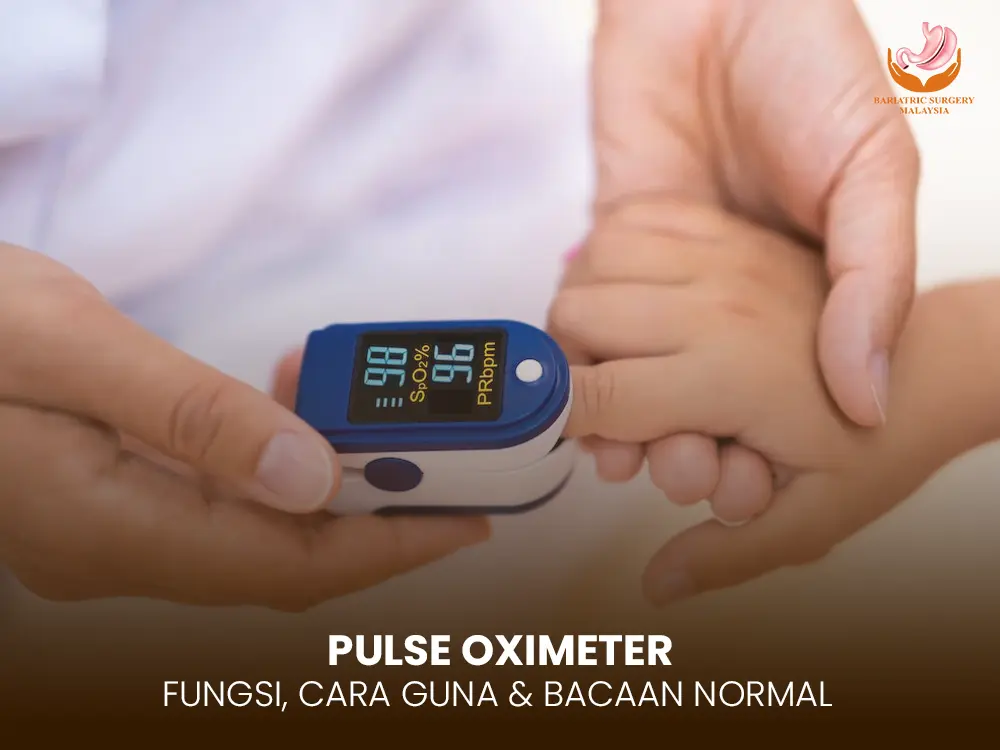
Pulse oximeter ialah alat kecil yang biasanya dijepit pada hujung jari untuk mengukur paras tepu oksigen dalam darah (SpO2) dan kadar nadi, menggunakan pancaran cahaya tanpa perlu mencucuk kulit. Bacaan normal biasanya antara 95%–100%; bacaan di bawah 92% secara konsisten dianggap rendah dan memerlukan perhatian perubatan. Alat ini berguna untuk pemantauan di rumah bagi individu dengan masalah pernafasan atau jantung, tetapi ia mempunyai had ketepatan tertentu dan tidak boleh menggantikan penilaian doktor. Apa Itu Pulse Oximeter? Pulse oximeter ialah alat mudah alih yang mengukur paras tepu oksigen dalam sel darah merah (SpO2) serta kadar nadi seseorang secara bukan invasif — iaitu tanpa perlu mencucuk atau mengambil sampel darah. Alat ini berfungsi dengan memancarkan cahaya melalui hujung jari (atau kadangkala cuping telinga) dan mengukur berapa banyak cahaya diserap oleh darah, yang membolehkan alat menganggarkan peratusan oksigen yang dibawa oleh sel darah merah. Alat ini digunakan secara meluas di hospital, klinik, dan kini juga di rumah — terutama sejak pandemik COVID-19 apabila ramai menggunakannya untuk memantau paras oksigen sendiri. Bagaimana Pulse Oximeter Berfungsi? Cahaya inframerah dan cahaya merah dipancarkan melalui tisu hujung jari Sensor pada bahagian lain alat mengesan berapa banyak cahaya yang diserap Darah beroksigen dan darah kurang oksigen menyerap cahaya secara berbeza Alat mengira dan memaparkan peratusan SpO2 serta kadar nadi dalam beberapa saat Bacaan SpO2: Apa Dikira Normal? Bacaan SpO2 Tafsiran 95% – 100% Normal 92% – 94% Sedikit rendah — pantau dan perhatikan gejala lain Di bawah 92% Rendah — dapatkan penilaian perubatan Di bawah 88% (berterusan) Kritikal — dapatkan rawatan kecemasan segera Bagi individu dengan penyakit paru-paru kronik sedia ada, doktor mungkin menetapkan julat “normal” khusus yang berbeza — sentiasa rujuk nasihat doktor peribadi anda berbanding julat umum ini. Cara Menggunakan Pulse Oximeter Dengan Betul Panaskan tapak tangan – gosok kedua-dua tapak tangan sebelum menggunakan alat untuk membantu peredaran darah ke hujung jari. Buang cat kuku atau kuku palsu jika ada, kerana ia boleh menjejaskan ketepatan bacaan. Duduk dengan tenang selama beberapa minit sebelum mengambil bacaan — pergerakan boleh menyebabkan bacaan tidak tepat. Jepitkan alat pada hujung jari (biasanya jari telunjuk atau jari tengah), pastikan jari dimasukkan sepenuhnya. Tunggu beberapa saat sehingga bacaan stabil sebelum merekod angka yang dipaparkan. Rekod bacaan SpO2 dan kadar nadi — sesetengah doktor turut ingin tahu trend dari semasa ke semasa, bukan hanya satu bacaan tunggal. Elakkan tangan sejuk — tangan yang sejuk boleh menjejaskan aliran darah ke hujung jari dan memberi bacaan yang tidak tepat. Had dan Ketepatan Pulse Oximeter Pulse oximeter adalah alat berguna untuk pemantauan am, tetapi ia mempunyai beberapa had penting yang perlu difahami: Warna kulit – kajian menunjukkan pulse oximeter kadangkala kurang tepat pada individu berkulit lebih gelap, dan mungkin memberi bacaan lebih tinggi daripada paras oksigen sebenar dalam sesetengah keadaan. Cat kuku dan kuku palsu – terutama warna gelap, boleh menjejaskan bacaan. Tangan sejuk atau peredaran darah lemah – boleh menyebabkan bacaan tidak stabil atau tidak tepat. Pergerakan semasa pengukuran – boleh menyebabkan bacaan berubah-ubah. Cahaya sekeliling yang terlalu terang – kadangkala boleh mengganggu sensor alat. Kerana had-had ini, pulse oximeter tidak boleh menjadi satu-satunya penentu keadaan kesihatan seseorang. Jika anda berasa tidak sihat atau sesak nafas walaupun bacaan SpO2 kelihatan normal, tetap dapatkan penilaian doktor. Siapa Yang Sesuai Menggunakan Pulse Oximeter di Rumah? Individu dengan penyakit paru-paru kronik (seperti asma atau COPD) Pesakit dengan masalah jantung yang memerlukan pemantauan oksigen Individu yang baru pulih daripada jangkitan pernafasan dan dinasihatkan memantau paras oksigen Individu yang mengesyaki gejala apnea tidur, sebagai salah satu alat pemantauan tambahan (bukan pengganti kajian tidur rasmi) Bila Bacaan Rendah Perlu Dirisaukan? Dapatkan rawatan perubatan jika: Bacaan SpO2 berterusan di bawah 92%, walaupun selepas beberapa kali pengukuran semula dengan teknik yang betul. Bacaan rendah disertai gejala seperti sesak nafas, sakit dada, bibir atau hujung jari kebiruan, atau kekeliruan mental. Bacaan menurun secara mendadak berbanding bacaan biasa anda. Bibir atau hujung jari yang kelihatan kebiruan (sianosis) bersama bacaan SpO2 rendah adalah tanda amaran serius yang memerlukan rawatan kecemasan segera. Soalan Lazim (FAQ) 1. Apakah bacaan SpO2 normal pada pulse oximeter? Bacaan SpO2 normal biasanya antara 95% hingga 100%. Bacaan di bawah 92% secara konsisten dianggap rendah dan memerlukan penilaian perubatan. 2. Bagaimana cara menggunakan pulse oximeter dengan betul? Panaskan tapak tangan dengan menggosoknya, buang cat kuku jika ada, duduk dengan tenang, jepitkan alat pada hujung jari, dan tunggu beberapa saat sehingga bacaan stabil sebelum merekodkannya. 3. Adakah pulse oximeter selalu tepat? Tidak selalu. Ketepatan boleh dipengaruhi oleh warna kulit, cat kuku, tangan sejuk, pergerakan semasa pengukuran, dan cahaya sekeliling. Ia adalah alat pemantauan berguna tetapi tidak boleh menggantikan penilaian doktor sepenuhnya. 4. Bilakah bacaan pulse oximeter dianggap kecemasan? Bacaan di bawah 88% yang berterusan, atau bacaan rendah yang disertai sesak nafas, sakit dada, bibir kebiruan, atau kekeliruan mental, dianggap kecemasan dan memerlukan rawatan segera. 5. Bolehkah pulse oximeter mengesan apnea tidur? Pulse oximeter boleh membantu memantau penurunan paras oksigen semasa tidur sebagai petunjuk tambahan, tetapi ia tidak boleh menggantikan kajian tidur rasmi (polisomnografi) untuk diagnosis apnea tidur yang tepat. 6. Siapa yang perlu memiliki pulse oximeter di rumah? Individu dengan penyakit paru-paru kronik, masalah jantung, mereka yang baru pulih daripada jangkitan pernafasan, atau yang dinasihatkan oleh doktor untuk memantau paras oksigen di rumah.
Bacaan Tekanan Darah Normal: Carta KKM 2026, Cara Check Betul & Bila 140/90 Kira Bahaya

“Doktor, mesin kat rumah tunjuk 135/85. Bahaya ke? KKM kata 120/80 baru normal.” Ramai panik tengok nombor. Padahal bacaan tekanan darah bukan nombor ekor. Dia naik turun ikut masa, stress, kopi, kurang tidur. Salah cara check = dapat 150/95, terus kena ubat seumur hidup. Tekanan darah tinggi = pembunuh senyap no.1 Malaysia. 3 dari 10 orang dewasa kena. Separuh tak tahu. Tunggu strok, baru sedar. Artikel ni saya explain A-Z: apa maksud 120/80, carta KKM 2026 ikut umur, 9 silap check bagi bacaan tipu, bila 130/80 dah kena ubat, sampai 7 cara turun tanpa ubat. Bahasa warung, tak payah jadi MA pun faham. Apa Maksud Bacaan Tekanan Darah? Systolic & Diastolic Tu Apa? Mesin tunjuk 2 nombor, contoh 120/80 mmHg. Systolic 120 = Nombor ATAS. Tekanan masa jantung pam darah keluar. Masa jantung “contract”. Ini nombor paling penting lepas umur 50. Diastolic 80 = Nombor BAWAH. Tekanan masa jantung rehat antara degup. Masa jantung isi darah. mmHg = milimeter merkuri. Standard unit. Tekanan nadi = Atas tolak bawah. 120-80 = 40. Normal 30-50. Kalau 70, salur darah keras. Carta Bacaan Tekanan Darah Normal KKM 2026 – Dewasa & Warga Emas KKM ikut guideline CPG 2024. Jangan guna carta Google 10 tahun lepas. Kategori Systolic ATAS Diastolic BAWAH Maksud Tindakan Normal < 120 dan < 80 Cantik Check 1x setahun Elevated 120-129 dan < 80 Amaran kuning Diet, senam, check 6 bulan Hypertension Stage 1 130-139 atau 80-89 Darah tinggi ringan Lifestyle 3 bulan. Kalau risiko tinggi, mula ubat Hypertension Stage 2 ≥ 140 atau ≥ 90 Darah tinggi kena rawat Ubat + lifestyle terus Hypertensive Crisis ≥ 180 dan/atau ≥ 120 Bahaya Rehat 5 min, check balik. Kalau sama + sakit dada/sesak = 999 Nota penting KKM: Umur 18-59: Sasaran < 130/80. 120/80 ideal. Umur 60-79: Sasaran < 140/90. Jangan agresif turun 120, nanti pening jatuh. Umur 80+: Sasaran < 150/90. Doktor tengok anda kuat ke tak. Kencing manis / buah pinggang: Sasaran ketat < 130/80 semua umur. Bacaan rumah biasanya 5 mmHg rendah dari klinik. Jadi 135/85 klinik = 130/80 rumah = Stage 1. 9 Silap Cara Check Tekanan Darah – Sebab Tu Asyik 150/100 70% orang check salah. Nombor tipu. Lepas tu kena ubat tak pasal. Silap Naik Berapa Cara Betul 1. Tak kencing dulu +15/10 Pundi kencing penuh = stress. Kencing dulu 2. Duduk bersilang kaki +8/5 Kaki jejak lantai, jangan silang 3. Bercakap/gerakkan tangan +10/8 Diam, rehat 5 min sebelum check 4. Lengan gantung, tak sokong +10/7 Lengan atas meja, paras jantung 5. Cuff longgar/terlalu kecik +10-30 Jari 2 muat celah cuff. Lengan besar guna cuff L 6. Baru lepas kopi/rokok +10/8 Stop 30 min sebelum check 7. Check 1x je Tak tepat Check 2x, jarak 1 min. Ambil purata 8. Check pagi-pagi lepas bangun +10 Bangun, kencing, duduk 5 min, baru check 9. Stress “white coat” +20/10 Check kat rumah, bawa rekod jumpa doktor Step betul KKM: Duduk sandar, kaki jejak lantai, 5 min rehat. Lengan baju gulung, cuff kulit, paras jantung. Jangan cakap. Tekan start. Check 2x pagi + 2x malam, 7 hari. Buang hari 1. Purata 12 bacaan = bacaan sebenar. Bacaan Berapa Kena Makan Ubat? Bukan 140/90 Je Doktor tak tengok nombor je. Dia kira risiko CV 10 tahun guna kalkulator. Mula ubat terus jika: ≥ 140/90 + anda ada: kencing manis, buah pinggang, jantung, strok lama, umur > 65. ≥ 160/100 semua orang, tak kira sihat. 130-139/80-89 + risiko CV > 10%. Contoh: kolesterol tinggi + merokok + family strok. Boleh cuba lifestyle 3-6 bulan dulu jika:130-139/80-89 + sihat, muda, takde penyakit. Turun 5kg, stop garam, confirm turun 10 mmHg. Hypertensive crisis ≥ 180/120: Kalau takde simptom, rehat, check balik 30 min. Kalau sakit dada, sesak, kabur, muntah = 999. Jangan telan ubat bawah lidah sendiri. Bacaan Tekanan Darah Ikut Umur: Budak Sampai Warga Emas Umur Normal Stage 1 Nota 1-5 tahun < 110/70 110-119/70-79 Guna carta percentile. Jumpa pakar kanak 6-12 tahun < 120/80 120-129/80-84 Obes = risiko tinggi 13-17 tahun < 120/80 120-129/80-84 Sama dewasa 18-59 tahun < 120/80 130-139/80-89 Target < 130/80 60-79 tahun < 140/90 140-159/90-99 Jangan < 120/70, risiko jatuh 80+ tahun < 150/90 150-159/90-99 Fungsi penting dari nombor Wanita mengandung: < 140/90. ≥ 140/90 = preeclampsia risk. Check klinik cepat. Kenapa Bacaan Pagi Tinggi, Malam Rendah? Normal Ke? Ya. Corak diurnal. Badan ikut matahari. 6am-10am: Hormone kortisol spike, darah paling tinggi. Strok banyak jadi time ni. 10am-6pm: Turun sikit. Tidur: Patut drop 10-20% = “dipping”. Kalau tak drop = “non-dipper”, risiko strok 3x. Sebab tu doktor suruh check 2x pagi + 2x malam. Kalau pagi selalu 150, malam 125, mungkin ubat kena ambil malam. 24-hour ABPM = pakai mesin 24 jam. Gold standard. KKM guna untuk sahkan betul darah tinggi ke “white coat”. 7 Cara Turunkan Bacaan Tekanan Darah Tanpa Ubat – Terbukti Kajian Ubat penting, tapi 50% orang boleh turun 10-20 mmHg dengan lifestyle je. Turun 5kg = Turun 5 mmHg. Setiap 1kg hilang, turun 1 mmHg. BMI > 27, target 7-10% berat. Garam < 1 Sudu Teh Sehari. 1 sudu = 5g. Maggi, kicap, belacan, kiub ayam semua tinggi. Turun 5-10 mmHg. Baca label: Sodium x 2.5 = garam. DASH Diet: Sayur buah 5x, susu rendah lemak, ikan, ayam, kurang daging merah. Turun 11 mmHg. Google “DASH KKM”. Senaman 30 Min x 5 Hari: Jalan laju, berbasikal, swim. Peluh sikit. Turun 5-8 mmHg. Angkat berat 2x seminggu lagi bagus. Stop Alkohol & Rokok: 2 tin beer = naik 5 mmHg. Rokok = naik 10 mmHg 30 min. Stop 1 minggu, nampak beza. Tidur 7-8 Jam: Tidur < 6 jam, hormone stress naik, darah naik 10 mmHg. Sleep apnea? Pakai CPAP. Stress Management: Tarik nafas 5 min, solat khusyuk, meditasi. Stress kronik = salur darah sempit. Turun 4 mmHg. Buat 3 dari atas, 3 bulan repeat check. Ramai patient saya stop ubat sebab dah 118/76. Mesin Tekanan Darah Mana Ok? KKM Lulus Jangan beli RM30 shopee. Tak tepat. Ciri wajib: Lulus MDA KKM: Ada sticker. Check mda.gov.my Jenis lengan, bukan pergelangan. Pergelangan lari 10 mmHg. Validated: Brand Omron, Beurer, Microlife, Rossmax, Citizen. Model HEM-7120, M3, BP A2. Cuff betul: Ukur lilit