


Teen Bariatric Surgery Eligibility Checklist
Interactive Self-Assessment Tool for Adolescent Obesity Care in Malaysia
Bariatric surgery for teenagers involves strict clinical criteria regarding age, Body Mass Index (BMI), and related health conditions. Answer the 3 quick questions below to check potential candidacy guidelines:
Have questions about adolescent obesity management or bariatric surgery in Malaysia?
Chat on WhatsApp (+60 12-600 7936)Bariatric surgery for teenagers is a specialized metabolic weight loss procedure—such as a sleeve gastrectomy or gastric bypass—performed on severely obese adolescents. It alters the digestive tract to restrict food intake or nutrient absorption, helping young patients achieve sustainable weight reduction when lifestyle interventions have failed.
Understanding Adolescent Obesity in Malaysia
Prevalence and Impact of Teen Obesity
Adolescent obesity has evolved into a major public health crisis across Malaysia. Data from the National Health and Morbidity Survey (NHMS) reveals that approximately one in three Malaysian teenagers aged 13 to 17 is classified as overweight or obese.
This alarming trend is compounded by widespread physical inactivity, sedentary routines, and diets heavy in fast food and sugary beverages. Beyond physical appearance, adolescent obesity triggers severe early-onset health complications. These include type 2 diabetes, non-alcoholic fatty liver disease (NAFLD), obstructive sleep apnea, and psychosocial distress such as depression and school bullying.
Medical Criteria and When Lifestyle Interventions Fall Short
Standard weight management for teens always begins with conservative measures. Families are encouraged to follow the [suspicious link removed] managed by the Ministry of Health, focusing on balanced nutrition, portion control, and increased physical activity.
However, severe or morbid obesity often features strong genetic, hormonal, and metabolic drivers that render diet and exercise alone insufficient. When supervised lifestyle modifications and medical weight loss programs fail to curb progressive weight gain or reverse dangerous comorbidities, clinicians evaluate advanced clinical interventions.
Clinical Experience: Pediatric specialists emphasize that severe adolescent obesity is a complex medical condition, not a failure of willpower. Timely intervention prevents long-term organ damage and lowers the lifetime risk of metabolic syndrome.
What Is Bariatric Surgery for Teens?
Defining Adolescent Weight Loss Surgery
Adolescent bariatric surgery encompasses restrictive and malabsorptive procedures designed to modify the gastrointestinal tract. By reducing stomach capacity or rerouting portions of the small intestine, these operations alter gut hormones that regulate hunger, satiety, and energy expenditure.
Unlike adult interventions, pediatric bariatric surgery requires careful synchronization with growth charts and developmental milestones. The goal is to halt disease progression, resolve weight-related illnesses, and protect the long-term health trajectory of the young patient.
Eligibility Criteria Under Malaysian Clinical Practice Guidelines
Not every overweight teenager qualifies for surgical intervention. Specialist teams adhere strictly to clinical guidelines derived from consensus statements and local Academy of Medicine of Malaysia recommendations. General eligibility parameters include:
-
Body Mass Index (BMI): Severe class II obesity with major comorbidities, or class III extreme obesity based on age- and sex-specific growth percentiles.
-
Physiological Maturity: Evidence of near-complete skeletal and bone maturation (typically Tanner stage IV or V) to prevent growth stunting.
-
Multidisciplinary Clearance: Formal approval from pediatricians, bariatric surgeons, dietitians, and pediatric endocrinologists.
-
Psychological Readiness: Demonstrated emotional stability, cognitive understanding of the procedure, and a strong family commitment to permanent lifestyle changes.
Types of Bariatric Surgeries for Teens
Sleeve Gastrectomy for Adolescents
Laparoscopic sleeve gastrectomy (LSG) is currently the most frequently performed bariatric procedure for adolescents worldwide and in Malaysia. During this restrictive operation, surgeons remove approximately 75% to 80% of the stomach, turning it into a narrow, banana-shaped tube.
This significantly limits the volume of food a teen can consume at one time. Furthermore, removing the gastric fundus drastically reduces levels of ghrelin, the primary hormone responsible for stimulating hunger.
Roux-en-Y Gastric Bypass Options
Roux-en-Y gastric bypass (RYGB) is a combined restrictive and malabsorptive procedure. The surgeon creates a small upper stomach pouch and connects it directly to the middle section of the small intestine, bypassing the lower stomach and upper duodenum.
While RYGB yields exceptional long-term metabolic control—particularly for severe acid reflux or poorly managed type 2 diabetes—it requires strict, lifelong monitoring of micronutrient absorption due to the intestinal rerouting.
The Multidisciplinary Care Approach in Malaysia
Pediatricians and Bariatric Surgeons
Adolescent bariatric care relies on a cohesive team of pediatric healthcare specialists. Pediatricians manage underlying endocrine disorders, monitor growth metrics, and coordinate overall health assessments.
Meanwhile, fellowship-trained bariatric and laparoscopic surgeons evaluate anatomical suitability, perform the minimally invasive operations, and oversee immediate post-operative surgical recovery.
Nutritional Support and Psychological Counseling
Surgery is merely a tool; long-term success depends heavily on behavioral adaptation. Registered clinical dietitians guide teenagers through progressive post-operative diets—transitioning from liquids to purees and solid foods—while ensuring adequate protein intake.
Simultaneously, psychological counseling helps teens navigate body image adjustments, emotional eating triggers, and peer dynamics during their developmental years.
Risks, Recovery, and Long-Term Management
Immediate Surgical Risks and Recovery
Modern laparoscopic techniques have made adolescent bariatric surgery remarkably safe, with complication rates comparable to routine pediatric procedures like appendectomies. However, potential short-term risks include bleeding, infection, staple-line leaks, and anesthetic reactions.
Hospital stays typically last two to three days, with most teens returning to light school activities within two weeks under the guidance of the Malaysian Medical Association.
Nutritional Deficiencies and Long-Term Lifestyle Commitment
Because procedures alter nutrient intake and absorption, teens face a lifelong risk of vitamin and mineral deficiencies, particularly iron, calcium, vitamin D, and vitamin B12.
Daily multivitamin supplementation and regular blood panels monitored by a physician are non-negotiable. Families must embrace permanent nutritional shifts, regular physical activity, and active follow-up appointments.
Navigating Treatment Costs and Where to Get Care in Malaysia
Public vs. Private Hospital Options
Families seeking adolescent obesity care in Malaysia can choose between government-funded public medical centers and private specialist hospitals.
Major public facilities offer heavily subsidized surgical care for citizens, though waiting lists can span several months or years. Private medical centers offer expedited scheduling, comprehensive packages, and personalized multidisciplinary care teams.
Estimated Costs and Financial Planning
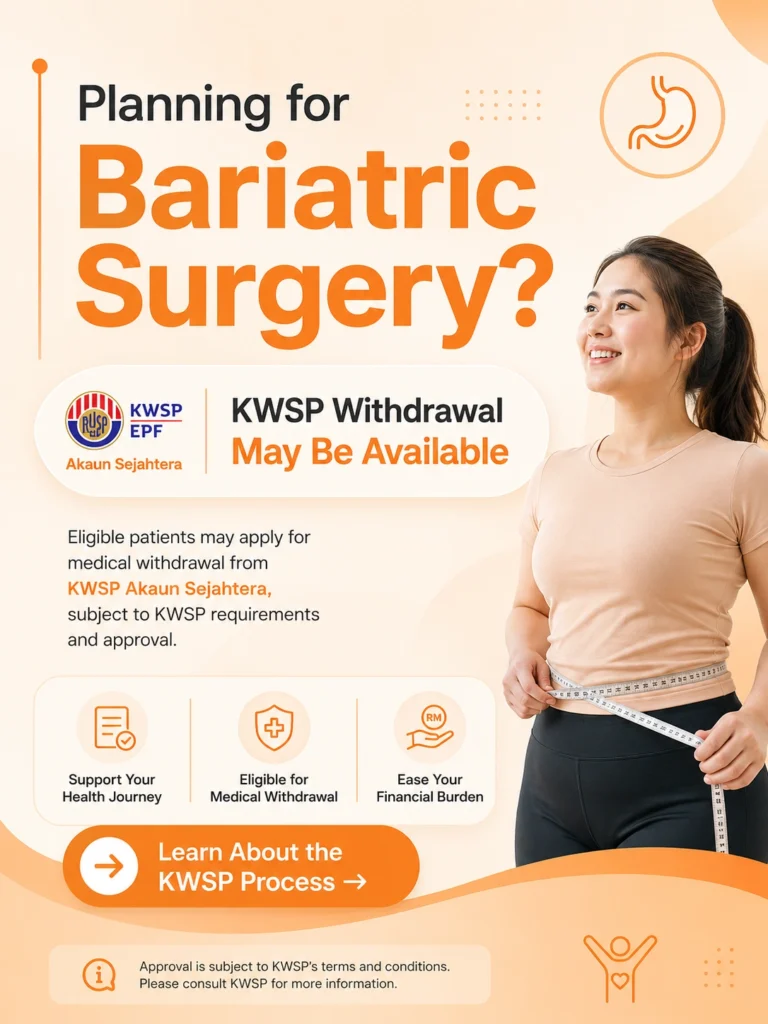
Private bariatric surgery in Malaysia generally ranges from RM22,000 to RM45,000+ depending on the chosen procedure and the hospital facility. Standard medical insurance policies in Malaysia frequently classify elective bariatric procedures as excluded, though some families utilize partial Employees Provident Fund (EPF) medical withdrawals or personal health savings for financing.
Frequently Asked Questions (FAQs)
What is the minimum age for bariatric surgery for teenagers?
There is no rigid chronological age cut-off, but clinical guidelines generally focus on physiological bone maturity and Tanner staging (usually mid-to-late adolescence, around age 14 to 17) rather than age alone. Younger children are rarely considered unless facing life-threatening comorbidities.
Is bariatric surgery reversible for adolescents?
Sleeve gastrectomy is permanent because a portion of the stomach is physically removed. Roux-en-Y gastric bypass is technically reversible through complex revisional surgery, but it is rarely undone unless severe, unmanageable complications arise.
Will my teenager stop growing taller after weight loss surgery?
Clinical studies confirm that when performed after careful screening for skeletal maturity, bariatric surgery does not stunt growth. In fact, resolving chronic systemic inflammation often improves overall endocrine function and developmental health.
Can health insurance in Malaysia cover teen bariatric surgery?
Most standard local medical insurance policies classify bariatric surgery as an elective procedure and exclude coverage unless explicit medical necessity for life-threatening comorbidities is proven. Families should check directly with their insurance providers.
How do I start the consultation process in Malaysia?
The first step is scheduling a comprehensive evaluation with a pediatrician or an experienced metabolic surgeon. To explore personalized treatment paths, consult at Bariatric Surgery Malaysia.