


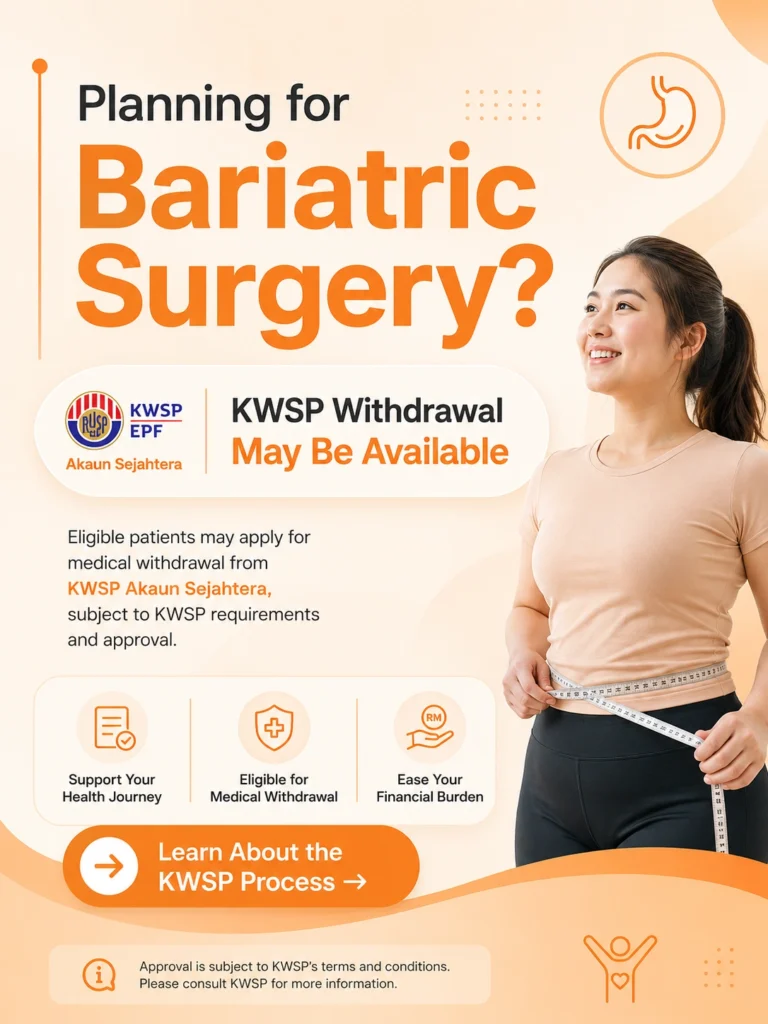
Bariatric surgery is often described as a tool, not a quick fix — and that’s most obvious in the months and years that follow the operation. Life after surgery involves real changes to how you eat, move, and think about health, but it also brings meaningful improvements for many patients, from better blood sugar control to renewed energy and mobility. Here’s a look at what the journey typically involves.
The First Few Weeks: Adjusting to a New Routine
Right after surgery, your stomach is small and healing, so eating will look very different from before. Most patients move through a series of diet stages — starting with clear liquids, progressing to pureed and soft foods, and eventually reintroducing regular textures over several weeks. During this stage, it helps to:
- Eat and drink slowly, and stop as soon as you feel full
- Keep meals small and spaced out through the day
- Avoid drinking liquids at the same time as eating solid food
- Chew thoroughly, since the new stomach pouch is much less forgiving of large bites
- Prioritize protein-rich foods to support healing and preserve muscle mass
It’s also common to feel physically drained in these early weeks. Rapid weight loss during the first three to six months can bring on fatigue, feeling unusually cold, body aches, dry skin, and even some hair thinning. These effects are usually temporary and tend to ease once weight loss slows and stabilizes.
Months Two to Six: Finding a New Normal
As your digestive system continues to adapt — a process that can take up to six months in total — you’ll likely notice weight loss happening steadily and food tolerance improving. This is typically when patients start layering in structured exercise, beginning with light activity like walking and gradually building up strength and stamina as energy returns.
This period is also when the emotional side of surgery tends to surface. Rapid changes in body image, relationships with food, and even social dynamics (family and friends reacting to your changing body or eating habits) can be a lot to process. Many programs recommend connecting with a support group or counselor during this stage, not just a dietitian.
The First Year: Building Long-Term Habits
Most of the dramatic weight loss happens within the first twelve to eighteen months after surgery, though the exact pace depends on the procedure and the individual. By this point, life after surgery starts to look less like “recovery” and more like an ongoing lifestyle:
- Eating habits shift permanently toward smaller portions, higher protein intake, and less reliance on sugary or high-fat foods, which can otherwise cause discomfort.
- Exercise becomes a regular part of the routine, both to support continued weight loss and to help maintain muscle as the body changes.
- Follow-up appointments with your surgical and medical team continue on a regular schedule to monitor nutrition levels, weight trends, and any emerging health concerns.
- Vitamin and mineral supplementation often becomes a daily habit, since many procedures reduce how efficiently the body absorbs certain nutrients.
The Health Benefits That Follow
For many patients, the payoff for these changes shows up in improved health markers well beyond the number on the scale. Common benefits reported after bariatric surgery include better control of type 2 diabetes, improvements in liver health, lower blood pressure, reduced joint pain, and better sleep quality, including improvement in sleep apnea. Research on quality of life after bariatric surgery has also found measurable improvements in physical functioning a year after surgery compared to pre-surgery levels.
Living With the Changes Long-Term
Life after bariatric surgery isn’t only about what changes in the first year — it’s about maintaining those changes indefinitely. A few things that tend to matter most over the long run:
- Consistency over perfection. Occasional off-plan meals or plateaus are normal; what matters most is returning to healthy habits rather than abandoning them.
- Ongoing nutritional monitoring. Regular bloodwork helps catch any vitamin or mineral deficiencies before they become a bigger problem.
- Weight maintenance, not just weight loss. Some weight regain over the years is common and doesn’t mean the surgery has failed — it usually reflects small shifts in habits that can be addressed with support from your care team.
- Emotional and social adjustment. Many patients describe an ongoing process of adapting their identity, relationships, and coping strategies around food, which can benefit from continued access to support groups or mental health professionals.
The Bigger Picture
Bariatric surgery is sometimes misunderstood as an “easy” route to weight loss, but the reality is that it asks for sustained effort — in eating habits, physical activity, and regular medical follow-up — for the rest of a patient’s life. In exchange, many people find it opens the door to significant, lasting improvements in both physical health and day-to-day quality of life.