


Deciding to have bariatric surgery is a major step, and it’s natural to have a lot of questions before committing to it. Below are answers to some of the questions people considering weight loss surgery ask most often.
1. What is bariatric surgery?
Bariatric surgery, also called weight loss surgery, refers to a group of procedures that change how the stomach and sometimes the small intestine process food. These changes help patients feel full sooner, absorb fewer calories, or both — and they can also trigger hormonal changes that reduce hunger and improve blood sugar control.
2. What types of bariatric surgery are available?
The most common procedures are gastric sleeve (sleeve gastrectomy), gastric bypass, and adjustable gastric banding, with duodenal switch also performed less frequently. Each procedure works a little differently — some mainly restrict how much food the stomach can hold, while others also limit calorie and nutrient absorption. A surgeon will usually recommend a specific procedure based on your health history, weight, and personal goals.
3. Am I a candidate for bariatric surgery?
Eligibility is typically based on Body Mass Index (BMI) along with any related health conditions. Most guidelines consider candidates to be people with a BMI of 40 or above, or a BMI between 35 and 39.9 combined with an obesity-related condition such as type 2 diabetes, high blood pressure, or sleep apnea. Beyond the numbers, surgeons also look at a patient’s overall readiness, past attempts at weight loss, and ability to commit to long-term lifestyle changes.
4. Is bariatric surgery safe?
Like any surgery, bariatric surgery carries some risk, but modern techniques — especially minimally invasive, laparoscopic approaches — have made it considerably safer than it once was. Complication and mortality rates for bariatric procedures are generally comparable to, or lower than, other common surgeries such as gallbladder removal. Your surgical team will review your individual risk factors before your procedure.
5. How much weight will I lose after surgery?
Weight loss results vary by procedure and by individual, but many patients lose a significant portion of their excess body weight within the first one to two years after surgery. Results depend heavily on how closely a patient follows the recommended diet, exercise, and follow-up care plan — surgery is a tool that supports weight loss, not a substitute for lifestyle change.
6. Do I need to follow a special diet before surgery?
Yes. Most surgical teams place patients on a structured pre-operative diet, often a low-calorie or liquid diet, for a few weeks before the procedure. This helps shrink the liver and reduce surgical risk, and it also gives patients a preview of the eating habits they’ll need after surgery.
7. What can I eat after bariatric surgery?
After surgery, patients typically move through several diet stages — starting with clear liquids, then pureed foods, soft foods, and eventually a modified solid-food diet. Portion sizes are much smaller than before, and patients are usually advised to prioritize protein, chew thoroughly, and avoid sugary or high-fat foods that can cause discomfort.
8. Will I need to take vitamins or supplements for life?
In most cases, yes. Because some procedures reduce how much the body absorbs nutrients, lifelong supplementation with vitamins and minerals — such as B12, iron, calcium, and vitamin D — is usually recommended. Regular blood tests help your care team monitor for any deficiencies over time.
9. Can I get pregnant after bariatric surgery?
Most medical guidelines recommend waiting around 12 to 18 months after surgery before trying to conceive. This waiting period allows the body to stabilize after rapid weight loss and reduces the risk of nutritional deficiencies during pregnancy. Many women also find it easier to become pregnant after significant weight loss, so contraception planning is worth discussing with your care team even before surgery.
10. How long is the recovery period?
Recovery time depends on the type of procedure and the individual, but most patients who have laparoscopic surgery can return to light daily activities within one to two weeks and to more strenuous activity within four to six weeks. Full internal healing and adjustment to the new eating pattern generally take longer.
11. Is bariatric surgery covered by insurance?
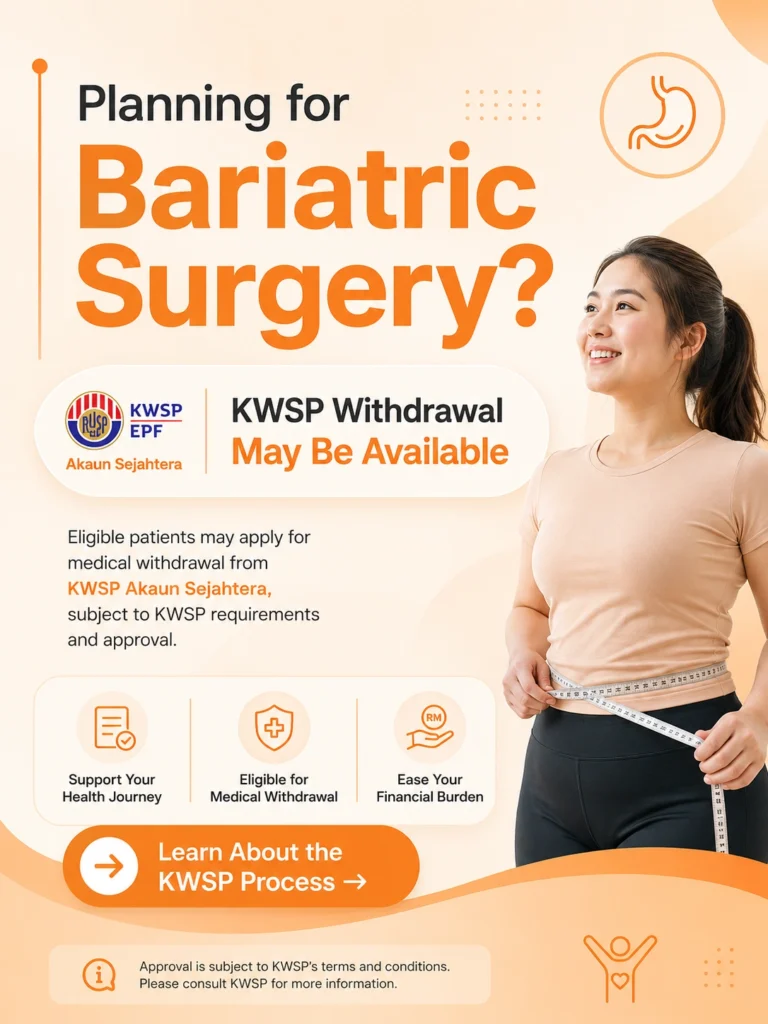
Coverage varies widely depending on your insurance provider, plan, and country of residence. Many insurers require documentation of BMI, related health conditions, and a history of previous weight loss attempts before approving coverage. It’s best to check directly with your insurance provider and your surgical team’s administrative staff about specific requirements.
12. What happens if I regain weight after surgery?
Some weight regain over time is common and doesn’t necessarily mean the surgery failed — it often reflects gradual shifts in habits, hunger hormones, or portion sizes. Working with a dietitian, staying active, and attending long-term follow-up appointments can help manage this. In some cases, a revision procedure may be considered if regain is significant and lifestyle adjustments haven’t been enough.